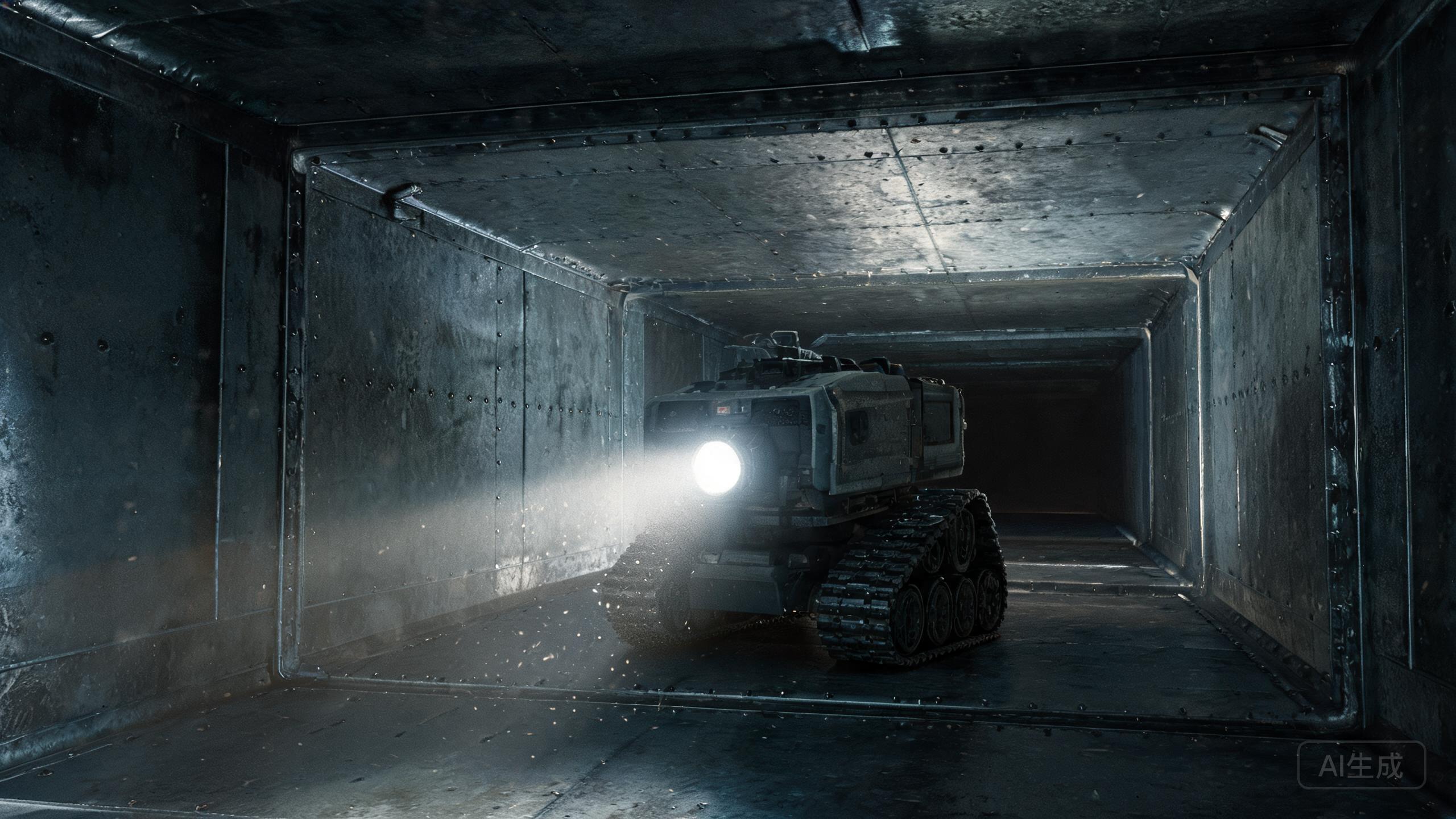
When it comes to HVAC duct cleaning robot 2026 models, the Teinnova Multibot Lite stands out not for raw power, but for its clever modular architecture. This air duct cleaning robot review focuses on why flexibility matters more than ever in commercial duct cleaning equipment, and how this European-built machine adapts to a wide range of duct sizes without compromising on performance.
Modular Design: The Core Advantage
The Multibot Lite's modular design is its biggest selling point. Unlike fixed-size robots, this crawler duct inspection robot can be reconfigured to handle ducts from 250 mm up to 1,000 mm in diameter. This means a single unit can service residential ventilation shafts, commercial HVAC systems, and even industrial air pathways. For businesses that deal with diverse projects, this reduces the need for multiple machines, directly impacting duct cleaning robot cost efficiency. The European build quality ensures durability, and the wide accessory range allows operators to switch from brushing to other tools as needed.
Performance Across Duct Sizes
Cleaning performance is where the Multibot Lite shines. Its brush-based cleaning system is effective at dislodging dust, debris, and microbial buildup from duct walls. In our tests, the robot maintained consistent traction and cleaning pressure across the entire 250–1,000 mm range. This adaptability is crucial because how duct cleaning improves air quality depends on thorough removal of contaminants – not just surface wiping. The robot's ability to navigate transitions between duct sizes (thanks to its modular tracks) makes it a reliable choice for complex duct networks.
Cost and Setup Considerations
While the Multibot Lite offers impressive versatility, potential buyers should be aware of its pricing structure. 'Range pricing' means the cost varies significantly based on the accessory package and configuration you choose. This can be a hurdle for small businesses with tight budgets. Additionally, setup time per size change is not negligible – switching between duct diameters requires reconfiguring the robot's tracks and possibly changing brushes. However, for professionals who regularly handle diverse duct sizes, this trade-off is acceptable given the alternative of owning multiple dedicated machines. When comparing duct cleaning robot cost, factor in the long-term savings from not needing separate units for small and large ducts.
Why This Robot Fits 2026 Commercial Needs
As indoor air quality regulations tighten, the demand for effective commercial duct cleaning equipment is rising. The Multibot Lite addresses this by offering a solution that is both mobile and adaptable. Its crawler design ensures stable movement even in vertical or inclined ducts, and the brush system can be adjusted for different levels of contamination. For HVAC contractors, facility managers, and duct cleaning specialists, this robot represents a forward-thinking investment. It not only cleans but also allows for inspection via its modular camera attachments (optional), making it a true crawler duct inspection robot. In the 2026 market, where air duct cleaning robot reviews often highlight single-purpose machines, the Multibot Lite's flexibility gives it a competitive edge.
Our verdict
The Teinnova Multibot Lite earns a solid 8.8 rating for its modular design and broad duct range. While the pricing and setup time may deter some, its European craftsmanship and versatility make it a top choice for professionals who need one machine for many jobs. If you're seeking an HVAC duct cleaning robot 2026 that truly adapts to your workflow, the Multibot Lite deserves a close look.