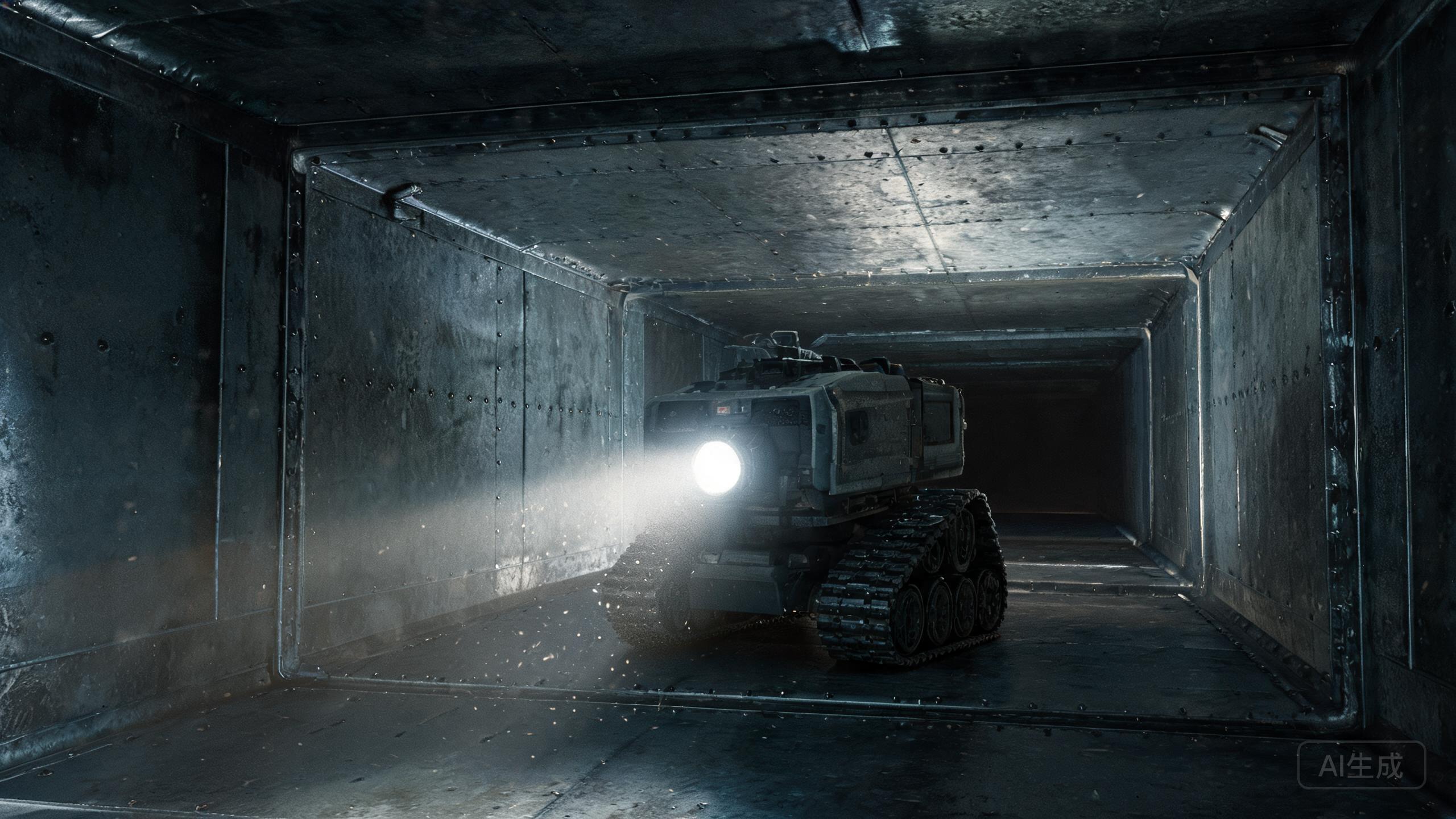
Most air duct cleaning robot review coverage focuses on price sheets or spec tables. This hands-on look at the KT KT-836 takes a different route: what actually happens during a documented cleaning run. The KT-836 is a crawler duct inspection robot built for commercial HVAC ducts, pairing a rotating brush with an integrated vacuum and an onboard video camera. That combination matters in 2026, when facility managers increasingly ask not just whether a duct was cleaned, but for evidence of it. Here is how the machine behaves in that role, where it fits, and where buyers should temper expectations.
Cleaning and Recording in One Pass
The KT-836's defining trait is that cleaning and documentation happen together. The rotating brush agitates debris from duct walls while the integrated vacuum captures loosened material, and the video camera records the run. For service teams, this means a single pass through a commercial HVAC system can produce both a cleaner duct and a visual record the client can review. In practice, that dual function is what separates this machine from simpler brush-only units: you are not scheduling a separate inspection visit after cleaning. As a crawler duct inspection robot, it also lets operators see conditions inside runs they cannot reach by hand, which supports honest reporting on problem areas rather than guesswork.
Where the KT-836 Fits in Commercial Duct Cleaning Equipment
This is not a toy for occasional home use. The KT-836 is positioned squarely as commercial duct cleaning equipment for service providers working on HVAC systems in offices, retail spaces and similar facilities. Its rotating brush, integrated vacuum and recording capability map onto the routine workflow of a duct cleaning crew: deploy, agitate, capture debris, document. The mid-tier build quality noted in our assessment is consistent with that role. It is a capable all-rounder rather than a premium flagship, which suits teams that need dependable output across many jobs without paying for features they will not use. If your work is mostly small residential vents, the machine is more than you need; if you run regular commercial contracts, its feature set lines up well.
The Case for Documented Cleaning and Better Air
Video recording is easy to dismiss as a nice extra until you consider why it matters. Documented runs turn a service call into verifiable work, which helps with client disputes, maintenance logs and repeat contracts. There is also a practical link to outcomes: understanding how duct cleaning improves air quality starts with knowing what was actually removed. When the KT-836 records a run, the operator can show the before-and-after condition of a duct section, making the case that contaminants were captured rather than merely disturbed. The integrated vacuum supports that claim by collecting debris at the source instead of pushing it downstream. For teams selling air quality improvements to building managers, that evidence is a sales asset as much as a technical one.
Cost Realities and Buying Advice
The most common question about any machine in this class is duct cleaning robot cost, and the KT-836 gives a partial answer: pricing is available by contact only. That is not unusual for commercial duct cleaning equipment, where configurations and support arrangements vary, but it does mean budget planning requires a conversation with the vendor rather than a quick web check. Our advice is to request a quote that covers the base unit plus any accessories you will need for your typical duct sizes, and to ask about service and parts support before committing. Weigh that figure against the labor hours saved by combining cleaning and inspection in one pass. For teams evaluating a crawler duct inspection robot in 2026, the KT-836 deserves a shortlist spot, provided the quoted price reflects its mid-tier build rather than a premium one.
Our verdict
The KT KT-836 earns its 7.5 rating by doing one thing well: combining cleaning and video documentation in a single commercial HVAC pass. It is not the most refined machine on the market, and contact-only pricing adds friction to budgeting, but for service teams that want proof of work without buying a separate inspection rig, it is a sensible mid-range choice. Compare quotes carefully, confirm support terms, and judge it against the jobs you actually run.