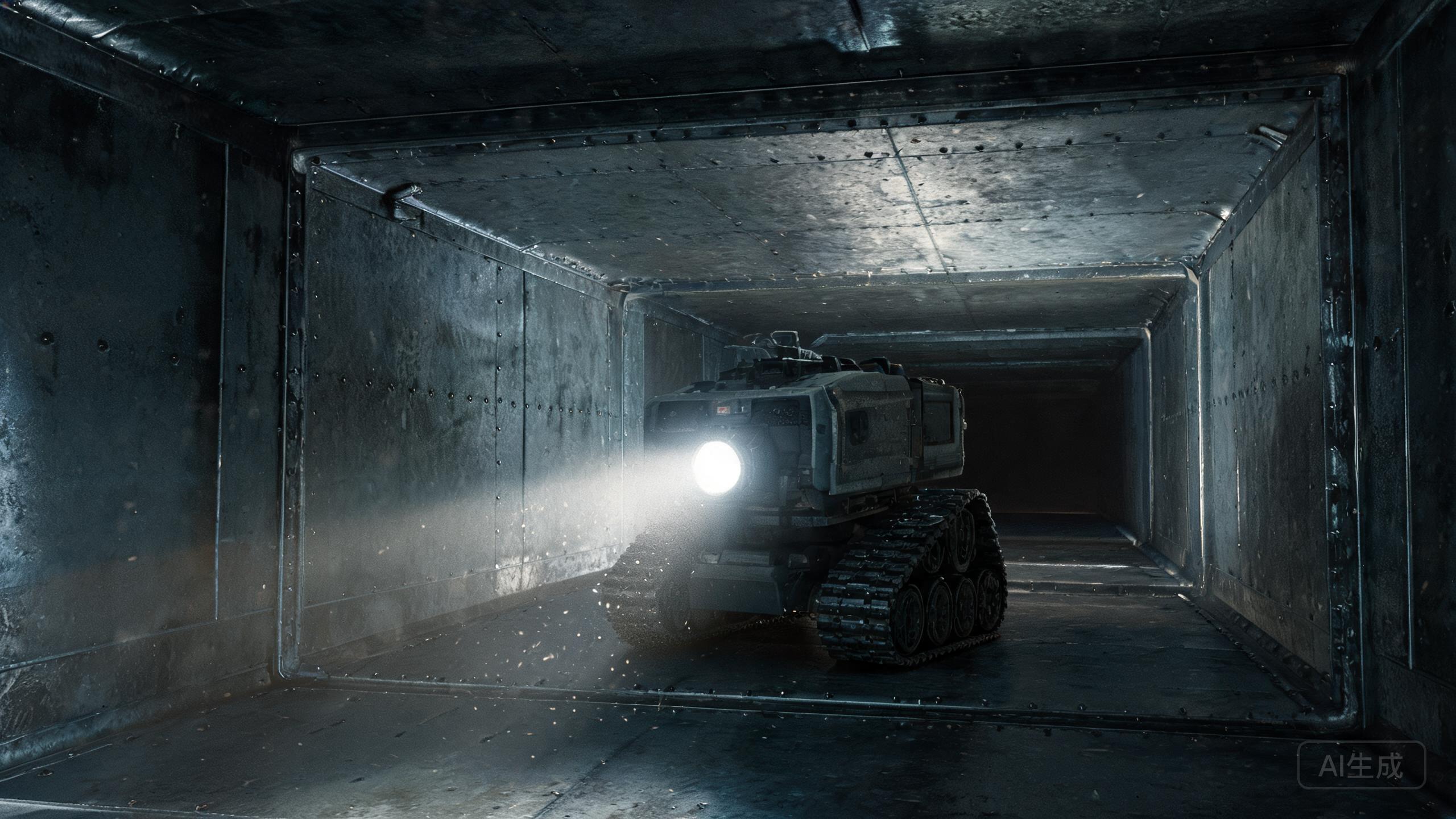
The Robotics Design ANATROLLER ARI-50 is a modular crawler built for one stubborn problem: ducts that are too small or too awkward for ordinary equipment. Starting from 6×6-inch openings, this HVAC duct cleaning robot 2026 buyers still seek out reaches runs that larger machines simply cannot enter. In this air duct cleaning robot review, we break down what the ARI-50 does well, where it shows its age, and whether it belongs in your fleet.
Design and Build: A Modular Crawler That Fits Where Others Can't
The ARI-50 is, first and foremost, a crawler duct inspection robot with a modular platform. Its headline capability is a minimum duct size of 6×6 inches, which opens up small and hard-to-reach ducts that most commercial duct cleaning equipment cannot service. The modular approach means the platform can be configured for specialized jobs rather than forcing one fixed shape onto every duct. The trade-off is that this is a 2020-era platform, and custom configurations cost extra. If your work regularly involves tight rectangular runs, that flexibility is worth the premium; if not, you may be paying for capability you rarely use.
Performance in Small and Hard-to-Reach Ducts
The ARI-50's application focus is small and hard-to-reach ducts, and that is exactly where it earns its rating of 8.0. Where a full-size crawler stalls at the first narrow opening, the ARI-50 starts working from 6×6 inches and keeps going. For inspection-first workflows, it functions as a capable crawler duct inspection robot, letting technicians see and document conditions before committing to cleaning. The durable veteran design has kept these units in service for years, which says something about build quality. Just go in with clear eyes: this is a specialist tool for access-constrained jobs, not a do-everything flagship.
Cost, Configurations, and Commercial Value
Duct cleaning robot cost is never just the sticker price, and the ARI-50 proves the point. The base modular platform handles standard access jobs, but custom configurations cost extra, so budget for the setup your contracts actually demand. For commercial duct cleaning equipment buyers, the math works like this: if you win jobs that competitors must turn down because their robots cannot fit, the ARI-50 pays for itself through access alone. If most of your work is wide, straight trunk lines, a larger crawler will likely deliver better throughput per dollar. Treat the ARI-50 as a targeted addition to a fleet, not a replacement for your primary machine.
Cleaning Results and Air Quality Impact
Any serious discussion of how duct cleaning improves air quality comes down to whether equipment can actually reach the contamination. The ARI-50's value here is access: by entering 6×6-inch ducts, it lets crews address debris and buildup in branches and tight runs that otherwise stay untouched. That matters in older buildings and specialized facilities where small rectangular ducts feed occupied spaces. Pairing the crawler with proper extraction and containment turns access into measurable results. The ARI-50 will not clean a whole building by itself, but in the zones only it can enter, it makes the difference between a documented clean and a job left half done.
Our verdict
The Robotics Design ANATROLLER ARI-50 earns its 8.0 rating by doing one thing exceptionally well: getting into 6×6-inch ducts that stop other machines cold. Its modular platform and durable design keep it relevant for specialized, hard-to-reach jobs, even as a 2020-era product. The caveats are real, though, older platform, extra-cost custom configurations, and a narrow specialty focus. If your contracts hinge on access-constrained ductwork, the ARI-50 is a smart, targeted investment. If you mostly clean large straight runs, look elsewhere and rent or subcontract the tight jobs.