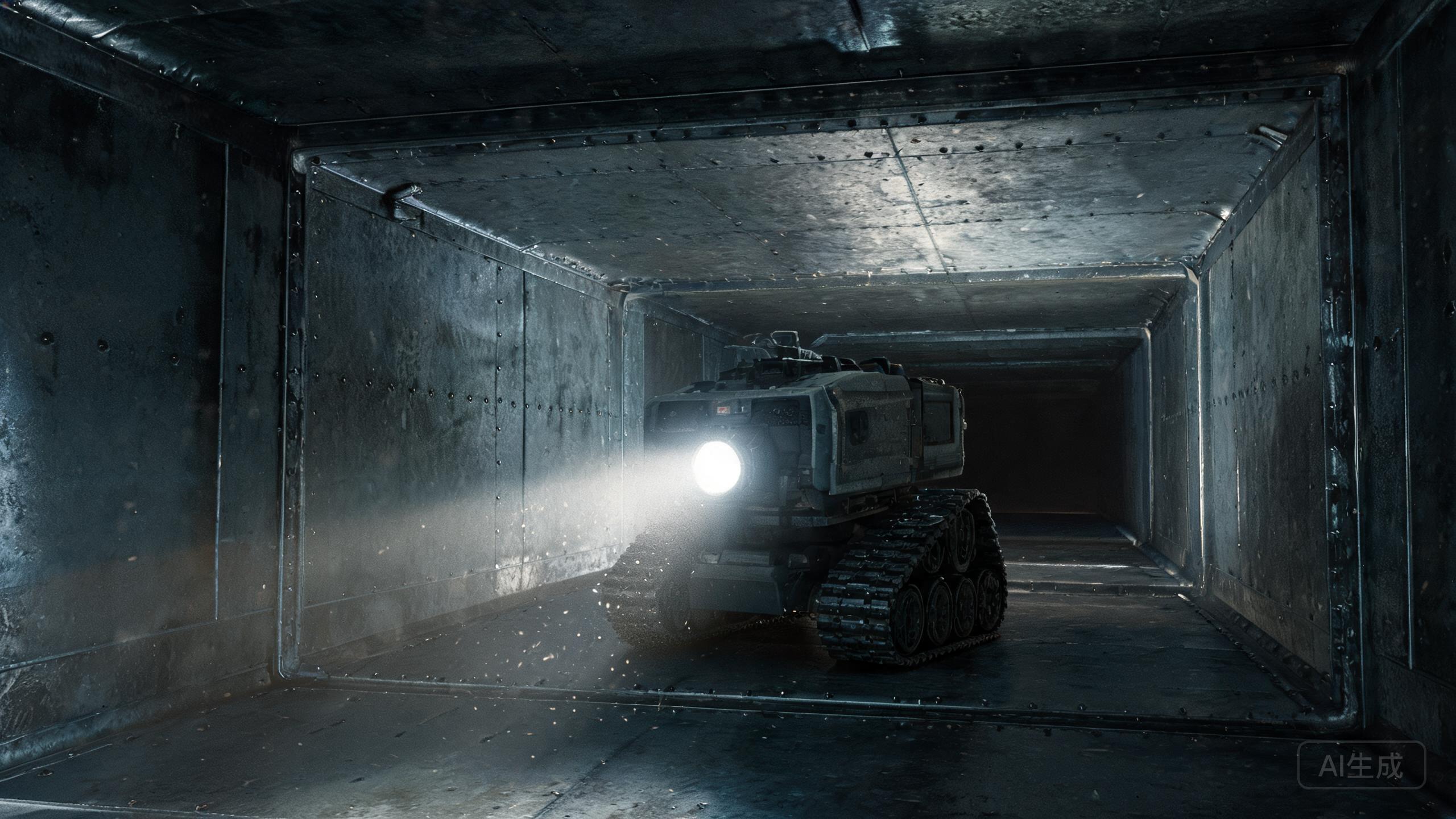
The ANATROLLER ARI-50 has a loyal following among contractors who work in tight, awkward duct runs, but it is also one of the easiest robots to buy badly. Because it is a modular crawler duct inspection robot built around a 2020 platform, the price you pay and the performance you get depend heavily on the options you choose at checkout. This buyer-focused guide skips installation and troubleshooting and instead walks through the purchasing mistakes that most often cost owners time and money. If you are comparing commercial duct cleaning equipment for a small-duct niche, read these pitfalls before you sign a quote.
Mistake 1: Assuming the Base Price Is the Real Price
The single biggest trap with this machine is budgeting from the headline figure. The ARI-50 is a modular platform, and custom configurations cost extra. Contractors who plan a duct cleaning robot cost estimate around the base unit often discover that the camera, lighting, and accessory package they actually need pushes the total well above expectations. Before comparing it against any air duct cleaning robot review you have read, request a fully itemized quote for the exact configuration you intend to run. Treat the base price as a starting point, not a final number, and build a 15–25% contingency into your budget for configuration upgrades.
Mistake 2: Buying Without Confirming Your Duct Dimensions
The ARI-50 is defined by its 6×6-inch minimum duct size, and that spec cuts both ways. Buyers who assume it will handle every run in a building are frequently disappointed when larger or irregular ducts demand a different platform. Equally, buyers who over-spec and purchase a bigger crawler duct inspection robot for a portfolio that is mostly small-bore work waste money on capacity they never use. Measure a representative sample of your actual duct openings before purchasing, and be honest about whether small and hard-to-reach ducts are your core workload. If they are not, this modular crawler may be the wrong tool regardless of how good the review scores look.
Mistake 3: Ignoring the Age of the Platform
This is a 2020-era design, and that matters at the buying stage more than at any other time. A durable veteran design is a genuine plus, but it also means you should ask harder questions about spare-part availability, accessory compatibility, and long-term support before you commit. Buyers who skip this step can end up with a capable machine that is awkward to maintain or upgrade. Ask the seller directly about parts lead times and whether the configuration you want is still actively supported. A short conversation now prevents a frustrating ownership experience later, and it also gives you leverage when negotiating on price.
Mistake 4: Overlooking the Air-Quality Case for the Right Tool
Some buyers focus so hard on specs and price that they forget why the equipment exists. Understanding how duct cleaning improves air quality should shape your purchase: a robot that cannot reach the small branches leaves contamination behind, no matter how impressive its feature list looks. For commercial duct cleaning equipment buyers serving schools, clinics, or offices, the ability to access 6×6-inch runs is often the difference between a complete job and a partial one. Frame your buying decision around the cleaning outcome you can deliver, not just the machine's headline capabilities. That mindset keeps you from paying for features that do not translate into cleaner air for your clients.
Mistake 5: Skipping the Demo and the Support Check
The last common error is buying sight unseen. Because this is a configurable platform, a live or video demo of the exact setup you are ordering is worth far more than any spec sheet. Use the demo to confirm the crawler handles the duct types you actually encounter, and use the same conversation to verify warranty terms, training, and response times. Buyers who rush this step often find that the configuration delivered does not match the work they bid on. Slow down, test the real configuration, and get support commitments in writing before payment.
Our verdict
The ANATROLLER ARI-50 can be an excellent niche purchase, but only for buyers who plan around its modular pricing, confirm their duct dimensions, and respect the age of the platform. Avoid these mistakes and you will spend less, get a configuration that matches your workload, and deliver the air-quality results your clients expect. Approach the purchase like a project, not an impulse buy, and this small-duct specialist will earn its place in your fleet.