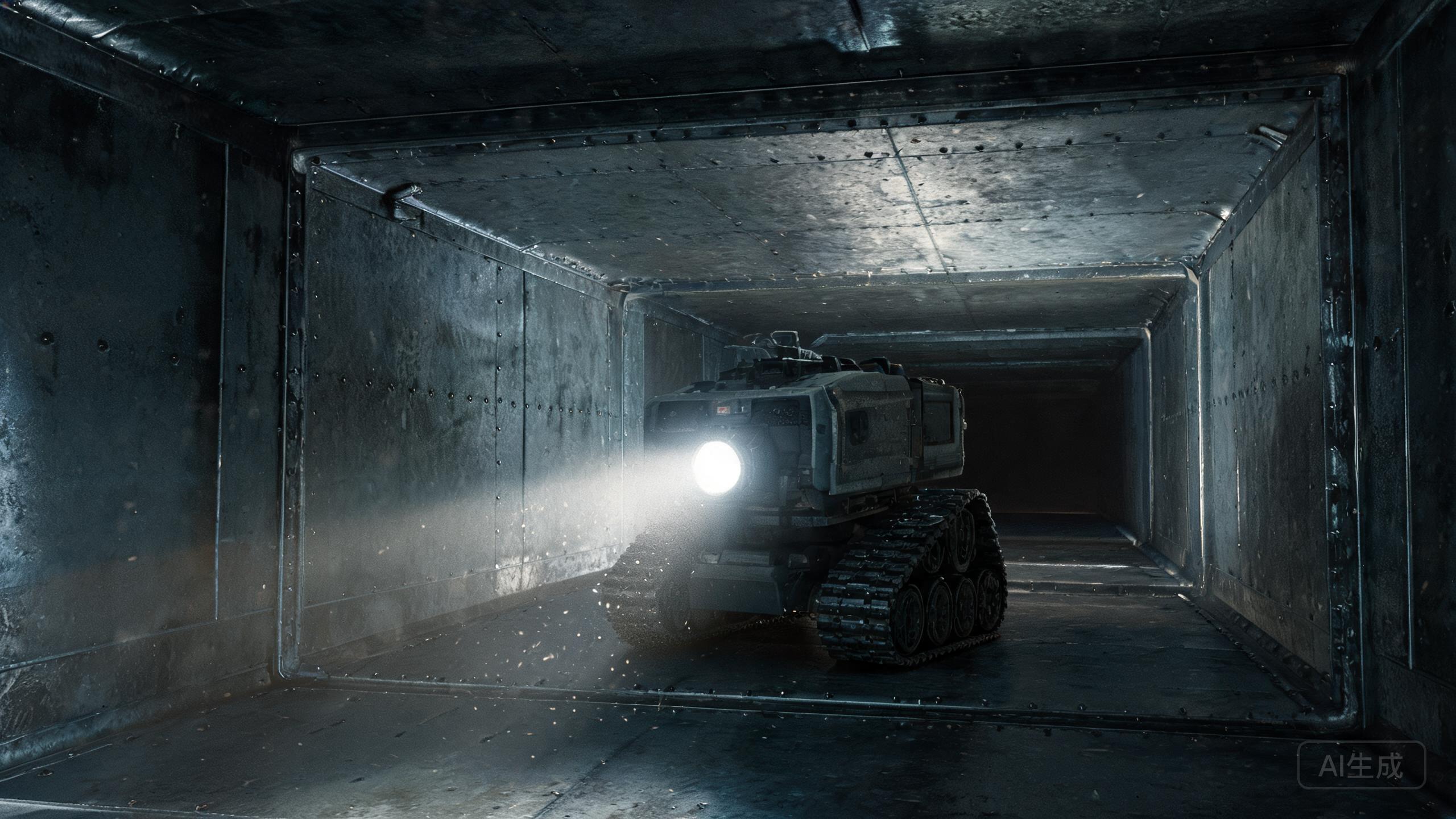
Most HVAC duct cleaning robot 2026 coverage focuses on flagship machines with big tanks and wide brushes. This guide takes a different angle: the buying decision itself. The Robotics Design ANATROLLER ARI-50 is a modular crawler rated 8.0 by our team, and it starts from 6×6-inch openings. That single number changes who should buy it. If your buildings have small rectangular ducts, tight plenums, or awkward access panels, the ARI-50 may be the only crawler duct inspection robot that physically gets inside. If your work is mostly large round commercial trunks, you may be paying a premium for capability you never use. Below we break down fit, cost, configuration, and air-quality payoff so you can decide with clear eyes.
Who the ARI-50 Actually Fits (and Who Should Skip It)
The headline spec is the minimum duct size: 6×6 inches. That is the whole reason this machine still earns a place in a 2026 fleet. A crawler duct inspection robot that fits a 6×6 opening can work in branch runs, hotel bathroom exhausts, small retail returns, and older buildings where ductwork was never designed for today's wide-bodied robots. The form factor is a crawler, the design is modular, and the application target is explicitly small and hard-to-reach ducts. The trade-off is age. This is a 2020-era platform, so it lacks the polish of newer machines. If your jobs are 90% large commercial duct cleaning equipment territory, buy a modern wide-duct robot instead. The ARI-50 is a specialist tool, not a general-purpose workhorse.
Duct Cleaning Robot Cost: Where the Money Really Goes
Duct cleaning robot cost is never just the sticker price. With the ARI-50, budget for three layers. First, the base modular platform. Second, the configuration you actually need, because custom configurations cost extra, and this is where budgets quietly blow up. Third, the accessories and spares that keep a 2020 platform running. Compare that total against the labor you save on jobs nobody else can quote. A machine that reaches a 6×6 duct lets you bid work competitors must decline, which changes the math entirely. Do not compare the ARI-50 to a cheap fixed-configuration crawler on price alone. Compare it to the revenue from small-duct contracts you would otherwise turn away. That is the honest way to judge value on this unit.
Modular Means Flexible, Not Free
The modular platform is the ARI-50's best long-term asset and its most misunderstood feature. Modularity means the machine can be reconfigured for different duct jobs rather than replaced. For a contractor running mixed building stock, that flexibility is worth real money over a five-year horizon. But modularity also means every specialization is a purchase decision. Before you buy, list the duct sizes and shapes you actually encounter in a typical month. If 6×6 to roughly 12-inch work is a steady slice of your calendar, the ARI-50 pays for itself through access alone. If that slice is rare, the modular premium is dead weight. Ask your supplier exactly which configuration ships standard and which parts are add-ons, then price the full kit you need, not the base unit.
The Air-Quality Payoff You Can Actually Sell
Clients rarely buy a robot. They buy cleaner air and documented compliance. This is where the ARI-50's small-duct access becomes a sales asset. How duct cleaning improves air quality is straightforward: removing accumulated dust, debris, and microbial buildup from supply and return runs reduces what gets recirculated into occupied spaces. But that benefit only reaches ducts you can physically clean. A large robot that cannot enter a 6×6 branch leaves that contamination in place, and your client's air quality report has a hole in it. By reaching small and hard-to-reach ducts, the ARI-50 lets you offer a more complete scope, and completeness is what wins repeat commercial contracts. Pair the cleaning pass with before-and-after documentation, and you turn a technical capability into a renewing service agreement.
Our verdict
The ANATROLLER ARI-50 is not the newest machine, and it is not the cheapest. It is the answer to one specific question: how do I clean ducts that start at 6×6 inches? If that question appears on your job calendar regularly, this modular crawler earns its place, and its configurable platform keeps it relevant for specialized work. If it does not, spend your budget on a modern wide-duct system instead. Buy for access, not for specs on paper.