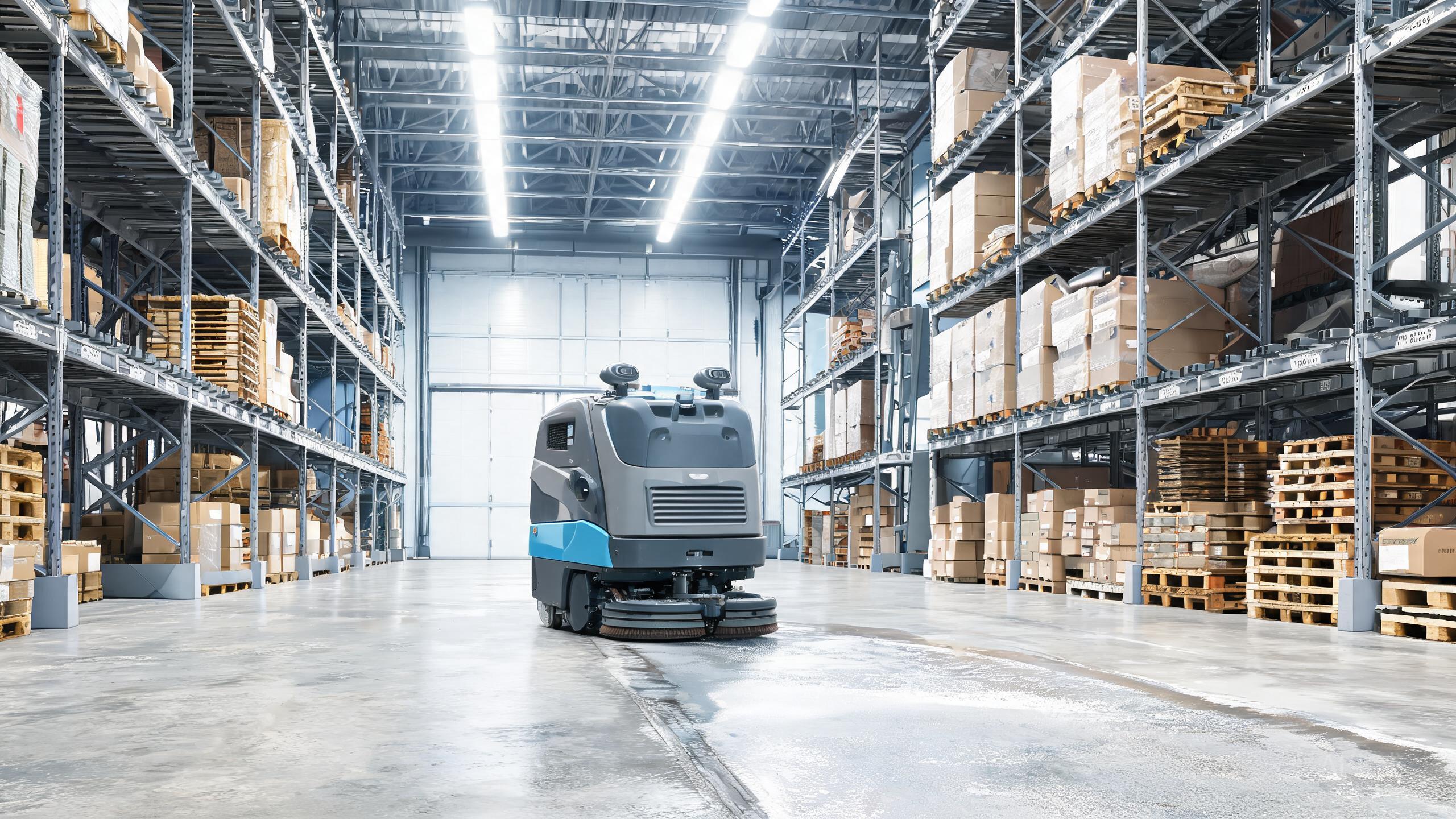
The Pudu CC1 Pro earns its place as a multi-function value pick by handling sweeping, scrubbing, dusting and disinfecting in one unit, with AI targeted spot cleaning and VSLAM+ navigation covering 1,500–3,000 square metres per hour. But a four-in-one commercial cleaning robot review has to be honest about one thing: versatility means more parts to care for. This guide focuses purely on maintenance and care — the routines that protect your investment, keep navigation accurate and preserve that approachable price advantage over the years.
Daily Care After Every Shift
Consistent daily care is what separates a machine that lasts from one that limps into costly repairs. After each shift, empty and rinse the recovery tank, then wipe the exterior with a damp cloth. Clear debris from the brush and squeegee area before it hardens. Because the CC1 Pro switches between sweep, scrub, dust and disinfect modes, check that mode-specific attachments are clean and correctly seated before the next run. A two-minute routine protects the 1,500–3,000 m²/h coverage you paid for and keeps the unit performing like the best autonomous floor scrubber 2026 buyers expect.
Protecting the VSLAM+ Navigation System
VSLAM+ navigation is the brain of the CC1 Pro, and dirty sensors are the most common cause of erratic routes. Gently clean the camera and sensor windows with a soft, dry microfiber cloth — never abrasive pads or solvent sprays. Dust buildup in warehouses and factories is relentless, so inspect sensors weekly in heavy-traffic sites. If the robot starts missing mapped zones or hesitating near aisles, recalibrate and re-save the map rather than assuming a hardware fault. Well-maintained navigation also protects your SLAM floor scrubber cost calculation, since fewer mapping errors mean fewer wasted passes and less energy per shift.
Tank, Brush and Consumable Hygiene
The CC1 Pro's commodity component feel is a reminder to stay ahead of wear. Rinse both clean and recovery tanks weekly with mild detergent and let them air-dry fully before reassembly. Remove hair and lint from brushes and squeegee blades after every few shifts, and replace worn squeegee rubber when streaking appears — a cheap part that protects floor finish and water use. For disinfect mode, follow dilution guidance and flush the system after use. Owners comparing autonomous scrubber vs manual cleaning often overlook that manual crews replace consumables without thinking; with a robot, scheduled replacement is your job.
Seasonal Service and Long-Term Value
Beyond daily and weekly care, book a quarterly deep service: inspect wheels and drive components, check battery health, tighten fasteners and review software updates that may improve navigation or cleaning patterns. Keep a simple log of cleaning cycles and parts replaced — it makes warranty conversations easier and reveals when the machine is due for professional attention. This discipline is central to warehouse cleaning robot ROI: a cared-for CC1 Pro keeps delivering four machines' worth of duties, which is exactly why it holds up well against other robotic floor scrubber brands on total cost of ownership.
Our verdict
The Pudu CC1 Pro rewards owners who treat maintenance as part of the workflow, not an afterthought. Daily tank and brush care, weekly sensor cleaning and quarterly deep service keep its VSLAM+ navigation sharp and its four-in-one versatility intact. Budget a modest sum for consumables and service time, and this multi-function value pick will keep covering 1,500–3,000 square metres per hour without surprises — a sensible long-term partner for commercial cleaning robot review standards.