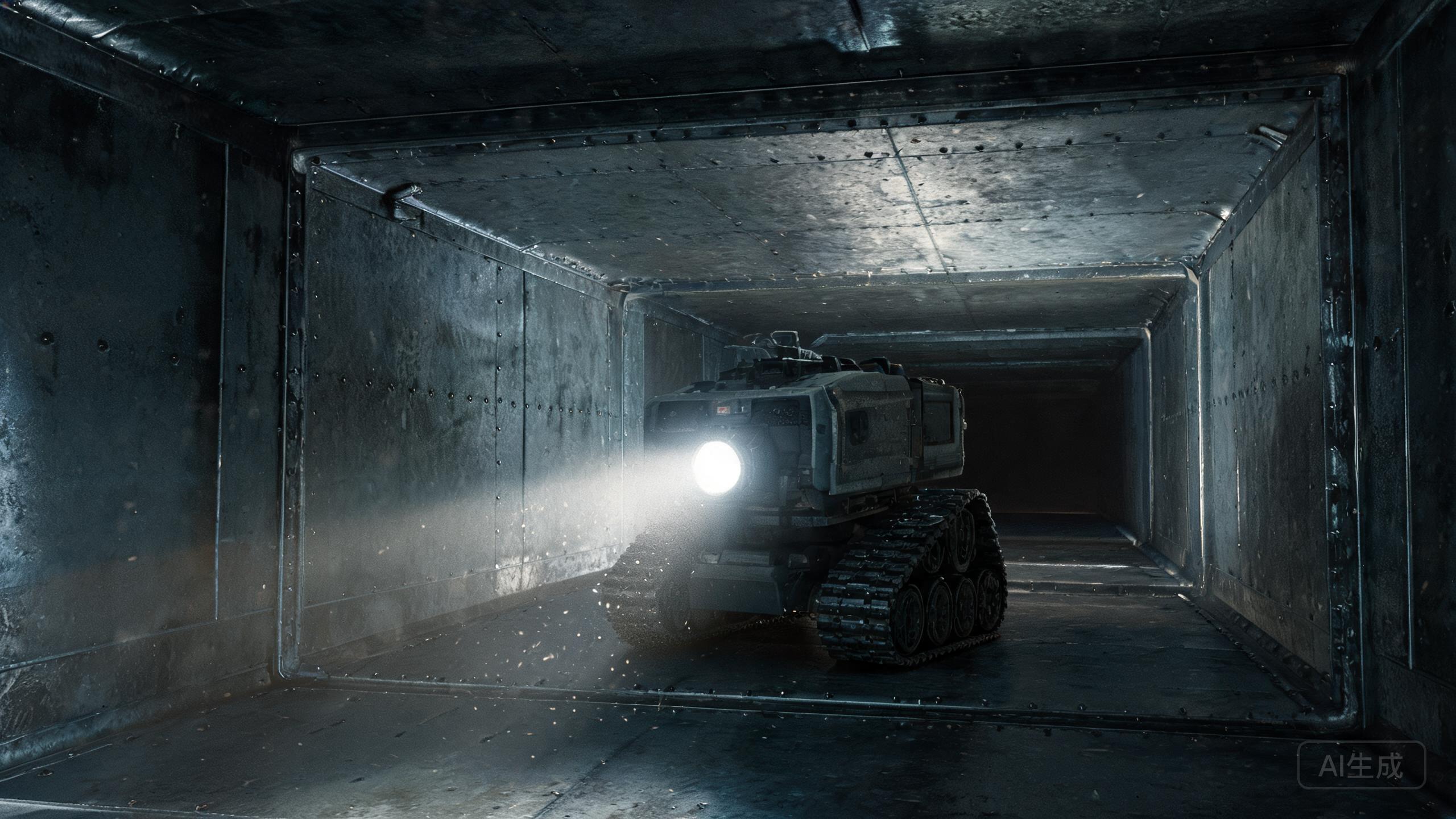
Before you add the PCS PCS-350III to your fleet, it is worth planning the accessories and consumables that keep it working run after run. This crawler duct inspection robot is built for central AC ducts, pairing a mechanical brush with an inspection camera so crews can clean and verify in a single pass. Because the unit ships with fewer bundled accessories and pricing is contact-only, most contractors end up building their own kit. This guide walks through the practical extras you should budget for, from brush heads to cable management, so your duct cleaning robot cost reflects the full picture rather than the sticker price alone.
Brush Heads and Mechanical Cleaning Consumables
The PCS-350III cleans with a mechanical brush, which makes brush heads your most frequently replaced consumable. Because the machine is tuned for central AC ducts, you will want a mix of stiffness levels: softer nylon-style heads for routine maintenance runs where you only lift light dust, and firmer heads for heavier buildup in return trunks. Keep at least one spare of each type on the van, since a worn brush reduces cleaning effectiveness and can force a second pass, raising your effective duct cleaning robot cost per job. Also budget for shaft couplings and retaining hardware, which take the wear that would otherwise reach the drive assembly.
Inspection Camera Care and Spares
The integrated camera is what turns this unit into a true crawler duct inspection robot, so protecting it matters. Add a lens cleaning kit to your consumables list and wipe the lens before every run; dust film is the fastest way to lose image clarity. Carry spare camera cabling and connectors, because the camera feed is the only way to confirm the duct is actually clean, and a failed connection means an unverified job. If you run the robot in humid or greasy kitchen exhaust lines, keep moisture-absorbing packs in the storage case to limit condensation on the optics.
Cables, Reels and Crawler Wear Parts
Long central AC duct runs demand cable management, so plan for a reel or cable guide that lets you pay out and retract smoothly without kinking. Inspect the cable jacket regularly and replace it once abrasion exposes shielding, since damaged cabling is a common cause of mid-job downtime. On the crawler side, track and wheel wear parts are the consumables that keep traction consistent on sheet-metal duct floors; a slipping crawler cannot position the brush or camera correctly. Keep a small spares box with these items so a single worn component never idles your commercial duct cleaning equipment.
Filters, Bags and Jobsite Consumables
Duct cleaning is a containment job, so consumables extend beyond the robot itself. Stock HEPA filters and collection bags for your vacuum and negative-air setup, and treat them as scheduled replacements rather than emergency purchases. Disposable wipes, sealing tape for access panels, and protective covers for the robot during transport round out the kit. These items support the reason clients hire you in the first place: how duct cleaning improves air quality. A verified, well-contained job with a clean camera record is far easier to sell and defend than one where debris escaped into the occupied space.
Our verdict
The PCS-350III is a focused central-AC machine, and its long-term value depends on the accessories and consumables you pair with it. Budget for brush heads, camera care items, cable management, crawler wear parts, and containment supplies from day one. When you weigh duct cleaning robot cost, include these recurring items so your quotes stay accurate and your crews stay productive. Treat the robot as a system, not a single purchase, and this air duct cleaning robot review angle will pay off on every job.