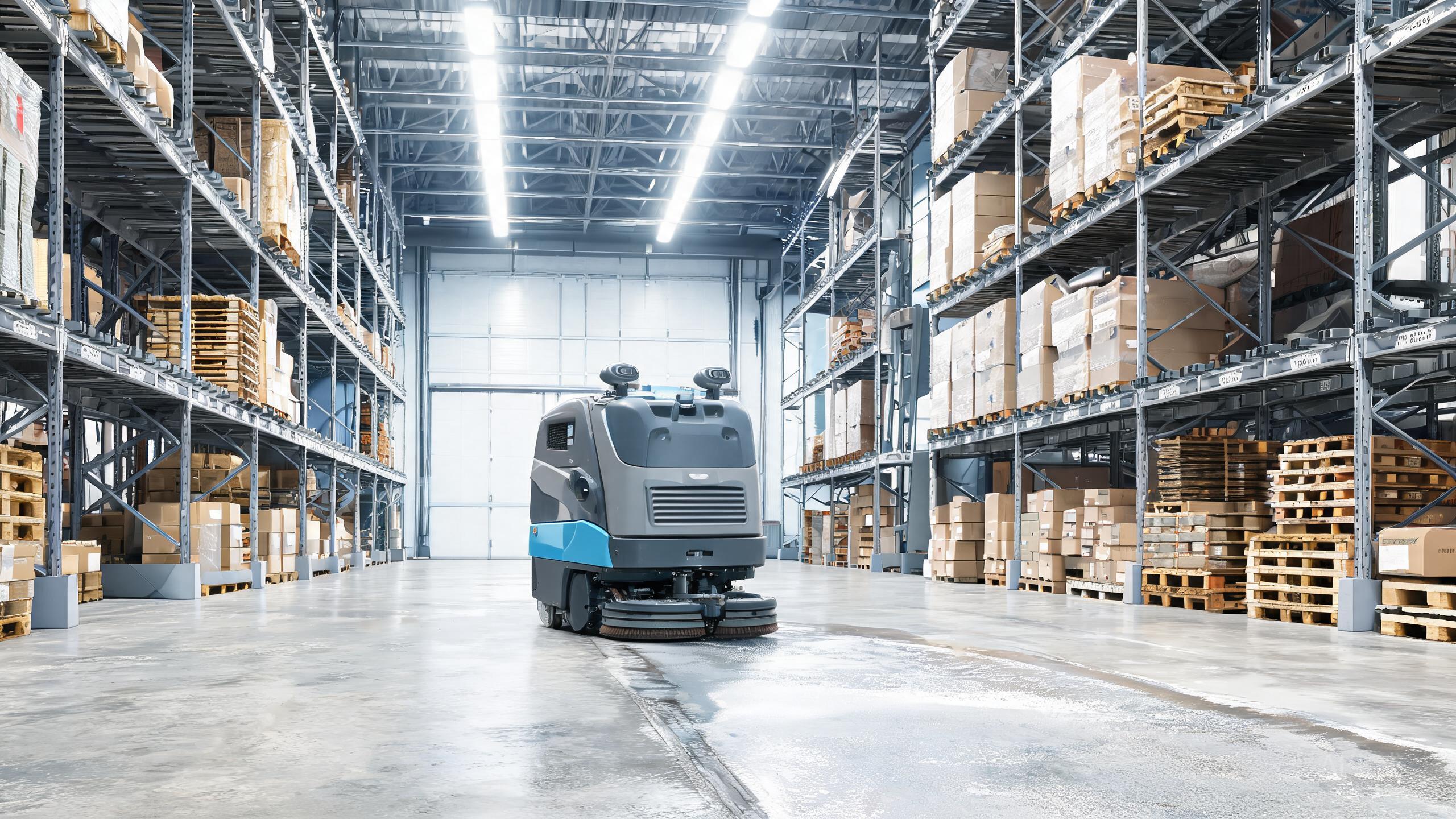
Buying a compact retail scrubber is only half the decision — the other half is what happens after delivery. This guide looks at the LionsBot R3 Scrub Pro through an ownership lens: how warranty and support should be planned, what service logistics mean for a small store, and how after-sales costs feed into the real commercial cleaning robot review numbers. The R3 Scrub Pro carries a 7.3 rating and a compact, touchscreen-driven design with 2.5–3.5 hours of runtime, so the after-sales conversation should match that small-footprint profile rather than a large-fleet deployment.
Warranty Planning for a Compact Retail Robot
Warranty terms are the first thing to confirm before signing, because the R3 Scrub Pro is positioned for small store footprints where downtime hits hard. Ask the reseller for the written warranty period, what parts are covered, and whether consumables such as brushes and squeegees are excluded — the product data already flags that accessories cost extra, so budget for wear items separately. Confirm whether warranty coverage transfers if you move the robot between store locations, and whether on-site versus depot repair is the default. For buyers comparing robotic floor scrubber brands, a clear warranty document is often a better signal than a long feature list, and it should be read alongside the SLAM floor scrubber cost quote rather than after it.
Support Channels and Onboarding Reality
The R3 Scrub Pro leans on its interactive touchscreen and easy onboarding, which shifts part of the support burden onto the interface itself: routine questions about routes and schedules can often be answered on-screen. Still, confirm what human support exists — phone, chat, or a local service partner — and what response times are promised during retail trading hours. Ask whether remote diagnostics are available so a technician can check status before dispatching a visit. For a store with no dedicated facilities team, the practical question in any autonomous scrubber vs manual cleaning comparison is who fixes the robot when a shift is starting. Get that answer in writing, and test the support line once during the trial period rather than discovering it during a busy weekend.
Service Logistics and Accessory Costs
Small tanks and extra-cost accessories are the two documented trade-offs of this model, and both have after-sales implications. A small tank means more frequent refill and drain cycles, which raises the value of a service plan that includes scheduled maintenance checks. Accessories cost extra, so build a consumables line into your annual budget from day one instead of treating replacements as surprises. Confirm spare-part lead times and whether the service partner stocks brushes and squeegees locally. If you operate multiple sites, ask how a single service contract scales across locations. These details belong in any warehouse cleaning robot ROI model too — even a retail-focused unit should be judged on total cost of ownership, not sticker price alone.
Turning After-Sales Terms into Ownership Confidence
After-sales quality is what separates a demo from a dependable daily tool. Before purchase, request a reference from a store of similar size, ask how long their R3 Scrub Pro has run and what has been replaced, and compare that answer across robotic floor scrubber brands you are shortlisting. Clarify the escalation path if a repair drags on, and whether a loaner unit is offered. Because the R3 Scrub Pro targets stores that want robot cleaning without a large deployment team, the after-sales plan should be equally lightweight: one clear contact, predictable consumable costs, and service windows that fit trading hours. That combination is what makes a 7.3-rated compact scrubber a sensible long-term purchase rather than a promising pilot.
Our verdict
The LionsBot R3 Scrub Pro is a compact, touchscreen retail scrubber rated 7.3, and its after-sales story should be judged the same way: small-footprint, low-friction, and predictable. Confirm warranty exclusions, test the support channel, budget for accessories that cost extra, and plan for more frequent tank cycles. Do that, and the ownership math behind the best autonomous floor scrubber 2026 shortlists becomes far clearer than any spec sheet.