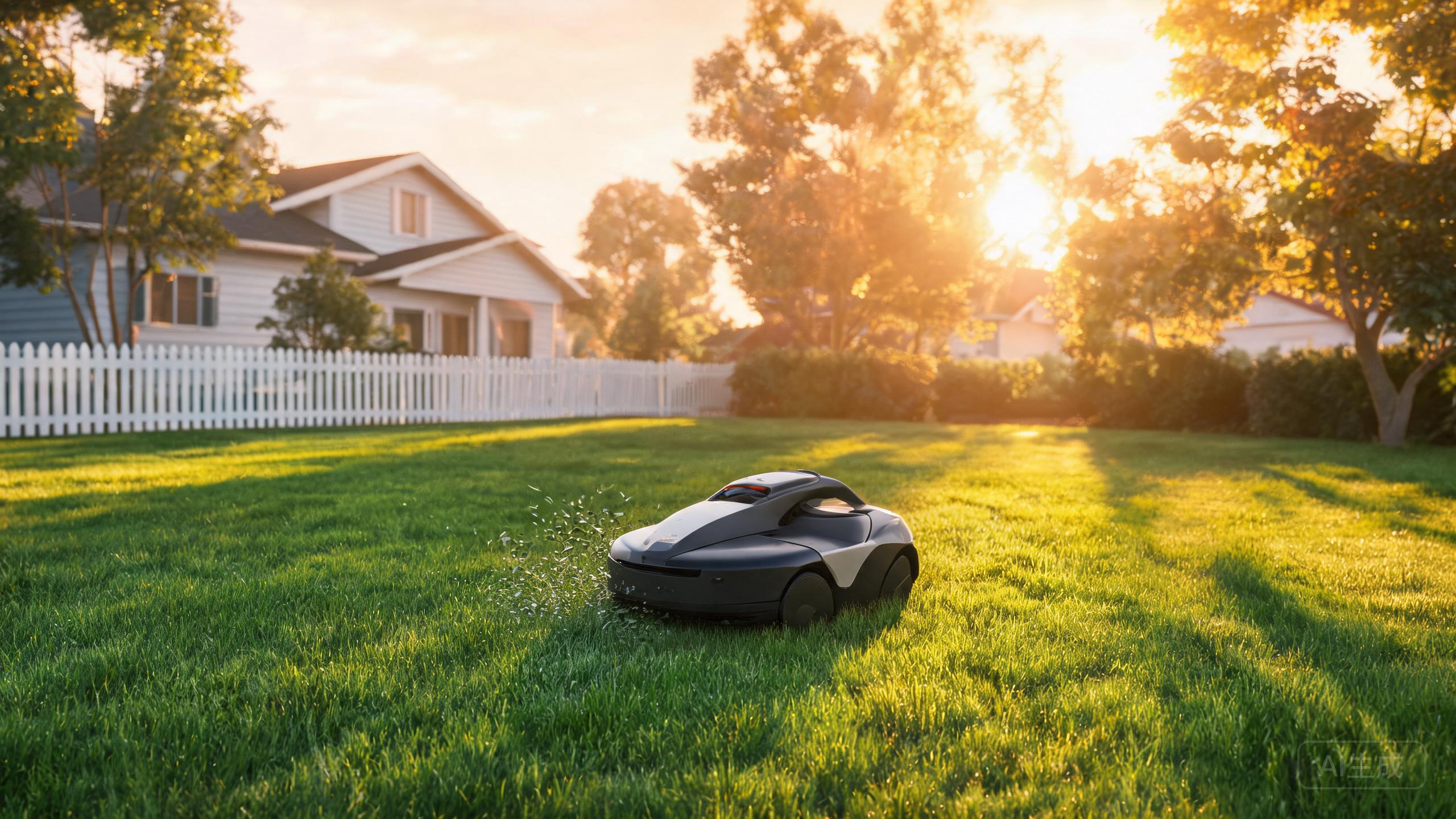
If you are shopping for the best robotic lawn mower 2026 has to offer, the Kress EyePilot RTKn KR250ES deserves a spot on your shortlist, but not for the reasons most reviews highlight. This guide looks at it from a buyer's checklist perspective: who should actually spend money on it, how its hybrid navigation changes your robotic lawn mower installation, and where it fits against the wider market. The EyePilot RTKn pairs AI vision with RTK positioning, covers lawns up to 500 m², and adds two features that are still rare at this price point: IPX6 weatherproofing and 4G anti-theft. That combination makes it a security-focused hybrid mower rather than a raw-capacity machine, and understanding that distinction is the key to deciding whether it belongs in your garden.
Who Should Buy the EyePilot RTKn (and Who Shouldn't)
This mower is built for a specific buyer: someone with a lawn of up to 500 m² who values peace of mind over maximum acreage. The 4G anti-theft module is the standout feature here. Robot mowers are expensive, visible, and easy to carry off, so built-in cellular tracking is a genuine differentiator, especially for gardens near streets or shared access paths. IPX6 weatherproofing also matters if your lawn gets heavy rain or you irrigate frequently, since it protects against powerful water jets rather than just light splashes. On the other hand, if you own a large estate, this is not your machine. The 500 m² coverage ceiling and the shorter battery mean it will spend more time recharging and less time cutting on bigger plots. For those buyers, a model rated for larger areas will be a better fit. Treat the EyePilot RTKn as a compact, security-first option, not a workhorse for expansive grounds.
RTK vs GPS Robotic Mower: What the Hybrid Navigation Means for You
The RTK vs GPS robotic mower debate usually comes down to precision versus cost. RTK uses a fixed reference signal to deliver centimeter-level accuracy, while standard GPS drifts by meters. The EyePilot RTKn sidesteps the trade-off by combining AI vision with RTK positioning. In practice, that means the mower can follow consistent, tight stripes and recognize its surroundings, which reduces the chance of it wandering into flower beds or getting confused near obstacles. For a wireless robotic mower review, this hybrid approach is the most interesting part of the spec sheet. You get the boundary discipline of RTK without relying on it alone, because the vision system provides a second layer of awareness. The catch is that RTK still needs a clear view of the sky for its reference signal, so dense tree cover or tall buildings can affect performance. Before buying, check whether your lawn has open sky above the main mowing zones.
Robotic Lawn Mower Installation: Planning for a 500 m² Plot
One advantage of RTK-based navigation is that it reduces the amount of physical boundary wire you need, which simplifies robotic lawn mower installation. Instead of burying cable around every edge, you typically define zones digitally and let the RTK and vision systems handle the rest. That said, planning still matters. Map out your charging station location first, ideally near a power outlet and on a level surface with a clear sky view. Then walk the lawn and note problem areas: narrow passages, steep banks, and drop-offs. This model is not marketed as a robotic mower for steep slopes, so if your garden has dramatic inclines, measure them before committing. For flat or gently rolling lawns up to 500 m², the setup is straightforward. Also confirm your Wi-Fi and cellular coverage, since the 4G anti-theft feature depends on a signal to be useful. A quick coverage check on your phone can save frustration later.
Value Check: Where It Sits Among the Best Robot Mowers for Large Lawns
Here is the honest framing. If your priority is the best robot mower for large lawn coverage, the EyePilot RTKn is not the answer, because its 500 m² limit and shorter battery cap its throughput. But if you are weighing RTK 割草机器人推荐 lists and want a machine that balances smart navigation with real-world security, this model makes a compelling case. The 4G anti-theft and IPX6 rating are not marketing fluff; they address two of the most common ownership headaches. The trade-off is clear: you accept a smaller working area in exchange for better protection and weather resilience. For urban and suburban gardens where theft risk is real and weather is unpredictable, that is a sensible swap. For rural properties with wide-open lawns, look elsewhere. Match the machine to your plot, not to the longest feature list.
Our verdict
The Kress EyePilot RTKn KR250ES earns its 7.3 rating as a security-focused hybrid mower, not as a coverage champion. Buy it if you have a lawn up to 500 m², want AI vision plus RTK precision, and value 4G anti-theft and IPX6 weatherproofing. Skip it if raw area coverage or long runtime tops your list. In the 2026 market, it is a smart, well-protected choice for the right garden.