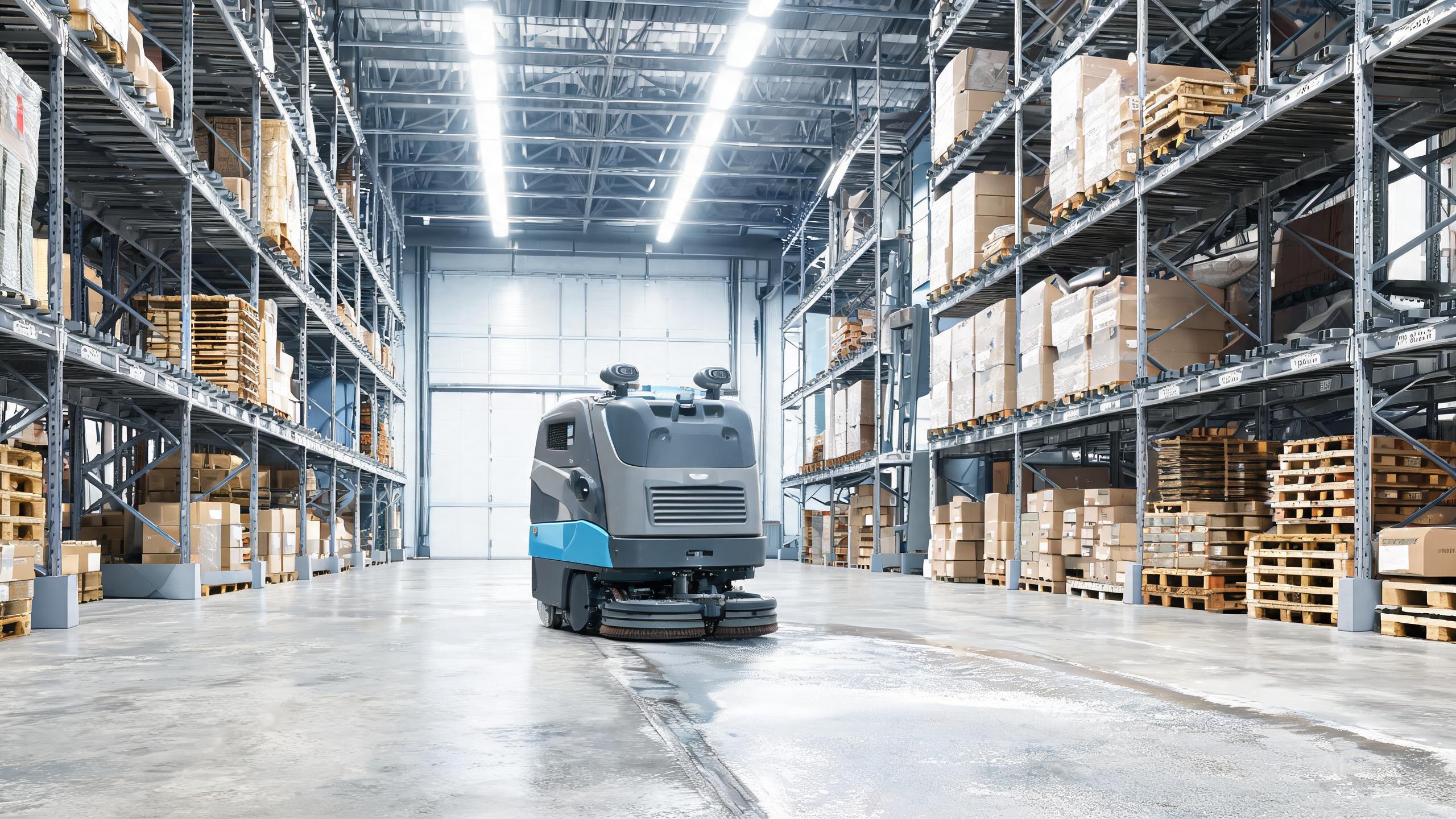
If you are shopping for the best autonomous floor scrubber 2026 has to offer, the Kärcher KIRA B 50 keeps appearing on shortlists. But a strong rating does not automatically mean it fits your building. This commercial cleaning robot review takes a buyer's angle: instead of re-listing specs, we walk through the decisions you need to make before signing a quote. The KIRA B 50 is a mid-size, autonomous roller-brush scrub-and-sweep machine rated 8.5, positioned between walk-behind scrubbers and Kärcher's larger flagship B 200. That middle ground is exactly where many facility managers get stuck, so let's unpack who should buy it, who should not, and how to justify the spend.
Who the KIRA B 50 Is Actually Built For
The KIRA B 50 targets facilities that need dependable routine cleaning rather than occasional deep scrubbing. Its roller-brush scrub-and-sweep design handles both tasks in one pass, which matters in environments where debris and film build up together: retail floors, light-industrial halls, logistics cross-docks, and mid-size warehouses. The mid-size area class is the key signal. If your cleanable floor area is small enough that a walk-behind operator finishes in under an hour, autonomy adds little. If it is large enough that you already run a ride-on scrubber all day, the smaller tank than the B 200 may force refill interruptions. The sweet spot is the middle: enough square footage to keep one operator busy most of a shift, but not so much that tank capacity becomes the bottleneck. Buyers comparing autonomous scrubber vs manual cleaning should also weigh labor reality. Manual scrubbing ties a person to the machine for the whole route; an autonomous unit frees that person for other tasks while the robot runs its route. That labor reallocation, not raw cleaning speed, is usually the real value driver.
Autonomous Scrubber vs Manual Cleaning: The Honest Math
The KIRA B 50's contact-only pricing is the first hurdle. Because Kärcher does not publish a list price, you cannot compare quotes apples-to-apples without requesting them, and SLAM floor scrubber cost varies with navigation configuration, service contracts, and fleet size. That opacity is common across robotic floor scrubber brands, so build your business case on operating economics instead of sticker price. Start with loaded labor cost per cleaning hour, including wages, benefits, and supervision. Then estimate how many of those hours the robot can absorb. Even partial absorption changes the payback picture, because the machine works the same route repeatedly without fatigue or route drift. Next, factor consumables and maintenance: roller brushes, squeegees, water and detergent, plus scheduled service. Finally, add the cost of downtime. A mid-size chassis with robust build quality is designed for daily duty cycles, but any autonomous unit needs a clear route map, adequate charging windows, and a plan for obstacles. If your facility is cluttered and unpredictable, manual cleaning may genuinely remain cheaper. If your routes are repetitive and your labor market is tight, the math usually favors autonomy.
Warehouse Cleaning Robot ROI and Fleet Planning
Warehouse cleaning robot ROI rarely comes from a single unit. It comes from coverage: how much floor the robot can hold clean per day, and how reliably it does so without supervision. The KIRA B 50's autonomous operation and mid-size footprint make it a plausible first robot for a facility that has never automated floor care. A sensible rollout starts with one unit on one repeatable route, measured against the manual baseline for the same route. Track cleaning hours displaced, water and chemical use, and any rework caused by missed zones. Once the first unit proves out, fleet planning becomes the next question. Because pricing is contact-only, ask Kärcher for a two-unit and three-unit scenario in the same quote so you can see how service and support scale. Also clarify what happens at end of shift: does the robot return to a docking station, and who empties and refills it? Those workflow details decide whether ROI is real or theoretical. If you are benchmarking against other robotic floor scrubber brands, insist on the same route, same shift length, and same labor rate so the comparison is fair.
Where the KIRA B 50 Fits in Your 2026 Buying Decision
Treat the KIRA B 50 as a routine-cleanliness workhorse, not a specialty machine. Its strengths are the roller-brush scrub-and-sweep combination, a mid-size footprint that navigates aisles without dominating them, dependable daily performance, and robust build quality. Its constraints are equally clear: contact-only pricing and a smaller tank than the B 200. If your facility is mid-size, your routes repeat, and your biggest pain is labor hours rather than stubborn stains, this machine belongs on your shortlist for the best autonomous floor scrubber 2026. If you need maximum tank capacity for long, uninterrupted shifts, or if you cannot tolerate quote-based procurement, look at the larger B 200 or a walk-behind alternative. The practical move is to request a site walkthrough, define one pilot route, and ask for a written payback estimate that separates labor savings from consumables and service. That single document will tell you more than any spec sheet.
Our verdict
The Kärcher KIRA B 50 is a credible mid-size autonomous scrubber for facilities that value dependable routine cleaning and repeatable routes. Its 8.5 rating reflects solid engineering, not universal fit. Before buying, confirm your area class, your tank-capacity needs, and your tolerance for quote-based pricing. If those align, request a pilot proposal and let measured labor savings make the case.