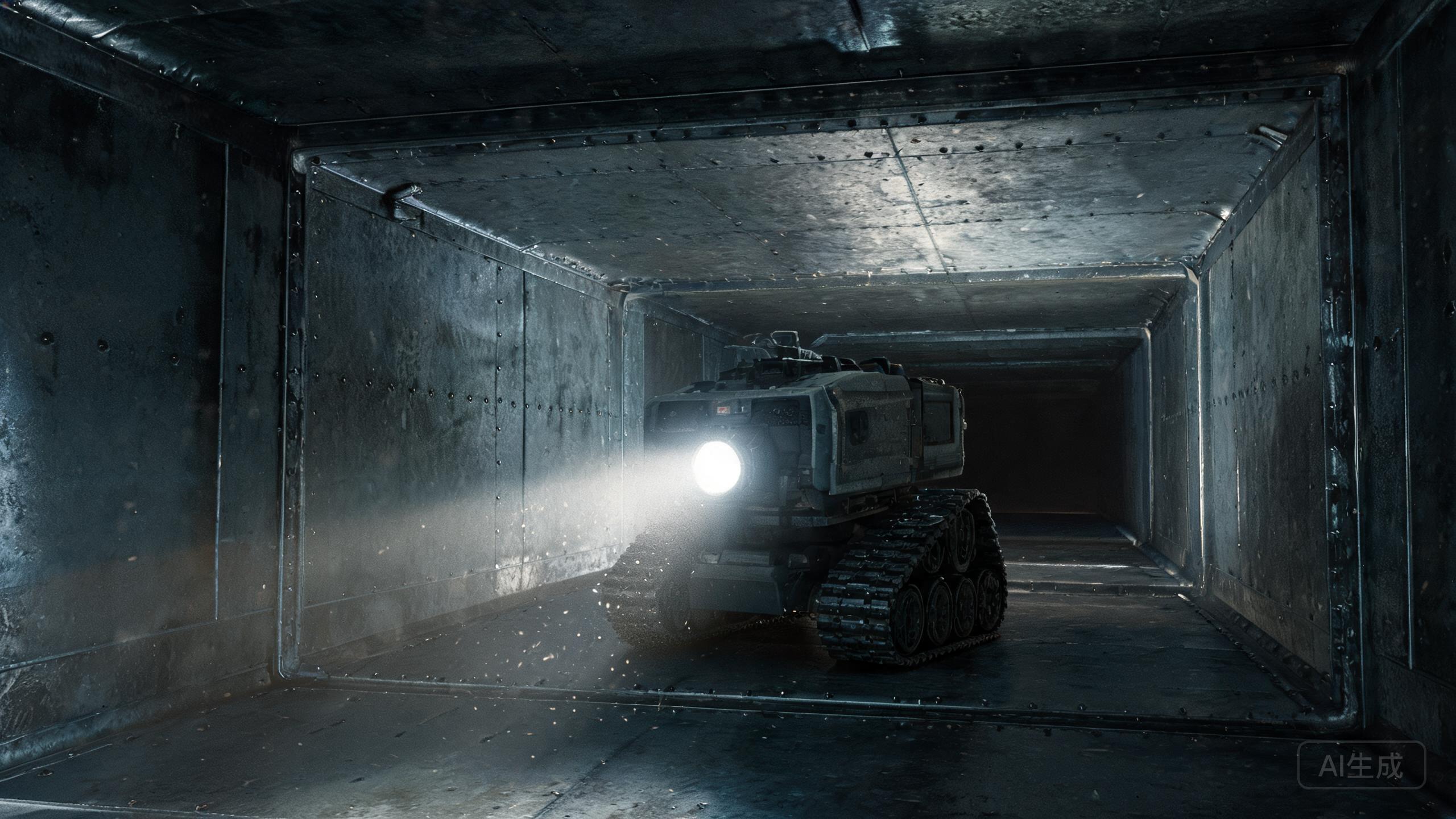
Choosing the right machine for duct and HVAC work is a decision about access, traction, and proof of clean results. This buying guide walks through the leading crawler and brush systems in the category, explains what drives duct cleaning robot cost, and shows how duct cleaning improves air quality in homes and commercial buildings. Whether you are outfitting a service team or upgrading existing gear, the goal is the same: pick commercial duct cleaning equipment that reaches the dirt, documents the work, and holds up over years of use.
What a Duct Cleaning Robot Actually Does
A crawler duct inspection robot is the backbone of modern duct work. It drives inside the duct, carries a camera, and lets an operator see and clean areas that are otherwise invisible. The Ashtrix Robotics Cobra (9.2) leads our list as a high-traction duct crawler with vision, making it a strong pick where long runs and grip matter. Teinnova Multibot Lite (8.8) appeals to buyers who want a modular European platform that adapts to different duct sizes. For remote electric-brush cleaning, the Lifa Air Duct Cleaner Robot (8.6) and the multi-brush Lifa Air Hydmaster 40 (8.4) cover light and heavy-duty work respectively. In any air duct cleaning robot review, the deciding factors are camera quality, traction, and how easily the machine is serviced.
Top Picks Across Budgets and Use Cases
The Rotobrush BrushBeast DR (8.2) is the US leader with direct drive, a familiar name for teams already running rotary brush systems. Robotics Design ANATROLLER ARI-50 (8.0) is a modular crawler from 6×6 inches, useful where ducts are small or varied. The PCS-350III (7.8) handles central-AC duct cleaning with a camera, while the KT-836 (7.5) is commercial HVAC with video recording. The RJ-BOT Q38 (7.2) offers remote AC duct cleaning and inspection, and the YorkTech YK-3600R (6.8) is a high-power WiFi duct robot for buyers prioritizing connectivity. Ratings here reflect overall category performance, so match the machine to your typical duct size and cleaning method rather than rating alone.
Understanding Duct Cleaning Robot Cost
Duct cleaning robot cost varies widely with traction type, camera and lighting, brush or air-driven cleaning heads, and whether the unit is a modular platform. Entry-level remote brush machines sit at the lower end, while modular crawlers with vision and heavy-duty multi-brush heads command more. Commercial duct cleaning equipment also carries hidden costs: spare brushes, cables, cameras, and operator training. A sensible approach is to price the full kit, not just the robot, and to weigh serviceability. Machines that are easy to repair and upgrade tend to cost less over their working life than cheaper units that fail often.
How Duct Cleaning Improves Air Quality
The case for this equipment rests on a simple fact: how duct cleaning improves air quality is by removing accumulated dust, debris, and biological buildup from the surfaces air passes over. A crawler duct inspection robot with a camera lets technicians verify contamination before and after cleaning, which builds trust with clients. In commercial buildings, documented cleaning supports maintenance schedules and healthier indoor environments. Pairing inspection with brush or air-driven cleaning heads gives a repeatable process, and video recording on models like the KT-836 makes that proof easy to share.
Our verdict
There is no single best duct robot for every job, but there is a best fit for your ducts, your cleaning method, and your budget. Start with a crawler duct inspection robot that gives clear vision, add cleaning heads that match your typical contamination, and factor total cost of ownership into duct cleaning robot cost. Use this guide as a shortlist, then confirm access sizes and service support before you buy.