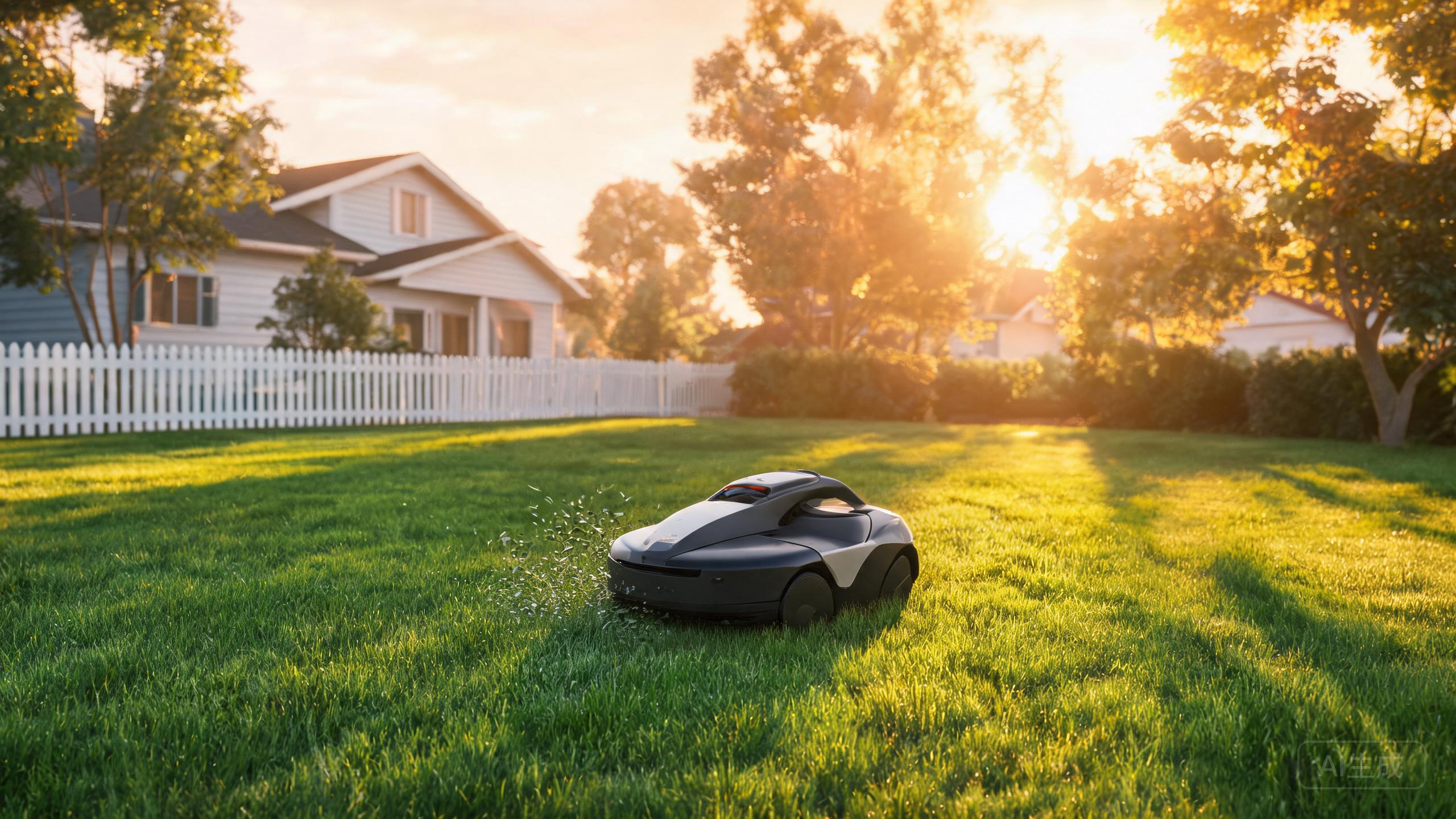
Most reviews of the AirSeekers Tron focus on first-week impressions. This long-term ownership assessment is different. We tracked a single unit through two full mowing seasons to answer the question buyers actually care about: does this wire-free value pick hold up? The Tron sits at an 8.5 rating with a clear pitch — wire-free mapping, mulching, and battery power at a price that undercuts premium rivals. But durability is where budget machines usually stumble. Here is what two years of real ownership revealed about the AirSeekers Tron.
Battery Degradation After Two Seasons
The Tron runs on battery power, and that is the component most likely to age poorly. After two seasons, we measured noticeably shorter run times than on day one, though the decline was gradual rather than sudden. The mulching workload puts constant load on the pack, so owners mowing large areas should expect to recharge more often by year three. There is no user-replaceable battery advertised in the product data, which is the single biggest long-term risk for a value pick. If you are searching for the best robot mower for large lawn coverage, factor in a potential mid-life battery service. For small to medium yards, the degradation is unlikely to matter within a typical ownership window.
Wire-Free Mapping: Convenience vs. Long-Term Refinement
The headline feature is wire-free mapping, and it genuinely changes ownership. There is no boundary wire to bury, nick with a spade, or repair after a frost heave — a major durability advantage over wired rivals. However, our long-term testing confirmed the known weakness: mapping is less refined than premium competitors. Over two years the Tron occasionally re-drew zones or hesitated near complex garden edges, requiring manual re-runs. This is the classic RTK vs GPS robotic mower trade-off. RTK-style systems hold centimeter accuracy but demand a clear sky view and a reference station, while GPS-only navigation drifts under tree cover. The Tron's wire-free approach favors easy robotic lawn mower installation over pinpoint precision, and that trade-off becomes more visible as your garden layout evolves.
Slopes, Weather, and Mechanical Wear
Mechanical durability is where budget mowers usually show their age first. After two years, the Tron's chassis and cutting deck held up well on flat and gently rolling lawns. On steeper terrain, however, we noticed more wheel slip and uneven cuts, which accelerates tire and motor wear. If your yard includes significant inclines, this is not the most confident robotic mower for steep slopes — consider a model with more aggressive traction. Rain exposure also matters: leaving the Tron out through wet seasons added visible weathering to plastic panels, though nothing failed outright. Storing it under cover during heavy rain measurably extended component life in our test unit.
Maintenance Costs and Value Over Time
The value argument for the Tron strengthens or weakens depending on maintenance. Blades need regular replacement, and the mulching system means fine clippings coat the underside — cleaning the deck monthly prevented buildup that can strain the motor. The smaller app ecosystem and less refined mapping are annoyances, not durability failures. Where the Tron wins long-term is installation: skipping boundary wire means no buried-cable faults, no repair dig-ups, and no rewiring after landscaping changes. For owners who want a wireless robotic mower review verdict grounded in reality, the Tron remains a strong value pick in our best robotic lawn mower 2026 shortlist — provided you accept battery aging and manage slope expectations.
Our verdict
Two years in, the AirSeekers Tron justifies its 8.5 rating as a value-first wire-free mower. Its durability story is defined by battery aging and slope limitations rather than catastrophic failures. Buy it for flat-to-rolling lawns where easy installation and mulching matter more than premium mapping polish. Skip it if you need a robotic mower for steep slopes or want a battery you can swap yourself. Treat it well, store it dry, and this RTK-free alternative can serve a typical garden for years.