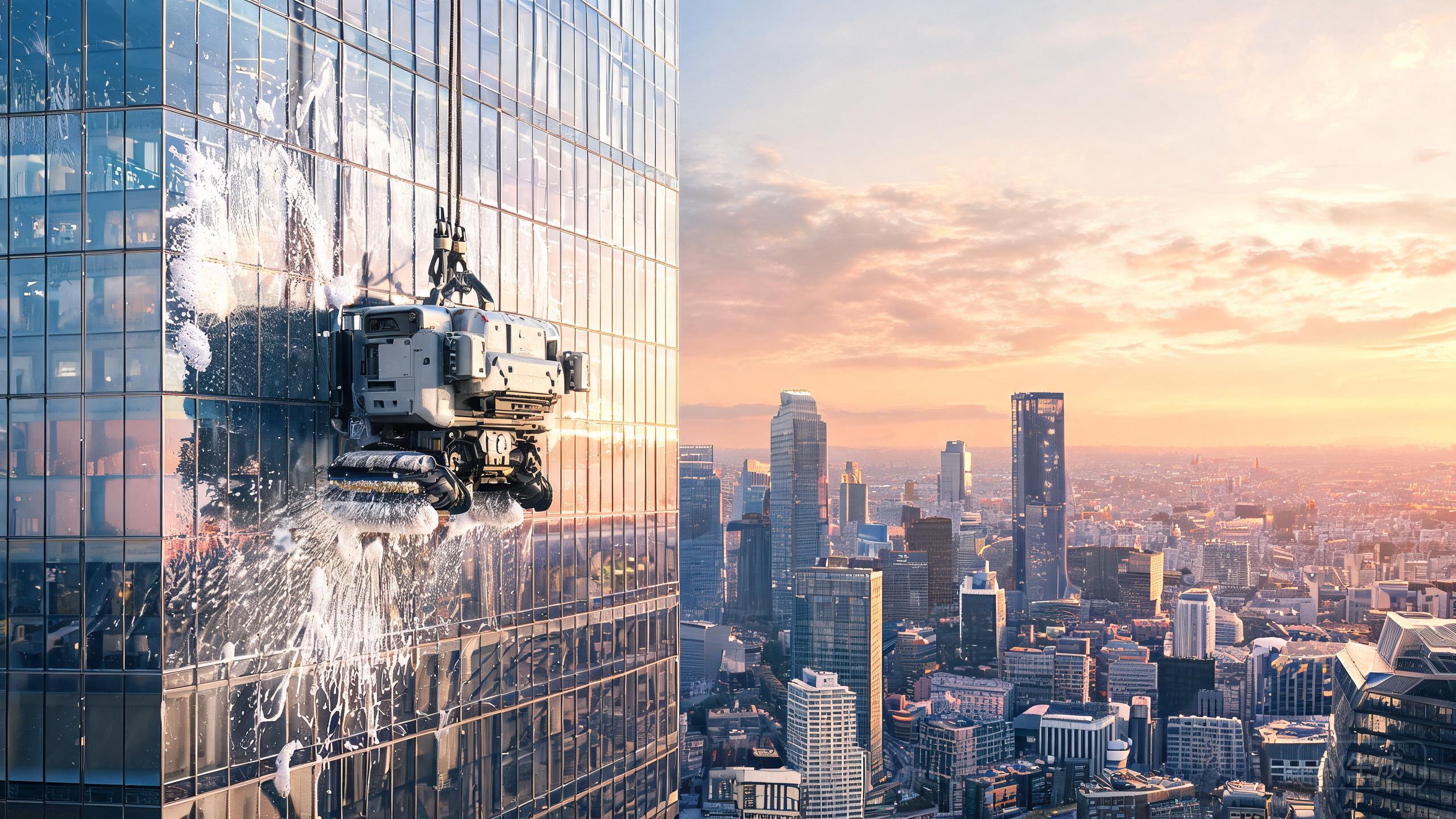
Even a 9.5-rated machine needs a plan when something goes wrong. This troubleshooting guide covers the most common issues owners report with the Skyline Robotics Ozmo window cleaning robot, from AI vision errors to KUKA arm faults and climbing platform problems. It is written for facility teams already running or evaluating high rise facade cleaning automation, and it assumes the unit is installed per the manufacturer's instructions. Use it to triage faults quickly, protect the equipment, and know when a site visit from Skyline Robotics is the right call.
Ozmo Vision and AI Guidance Faults
The Ozmo window cleaning robot relies on AI vision to locate glass panels and plan its wash path. If the system reports lost tracking, misaligned passes, or repeated re-scans, start with the glass itself: heavy dust, salt film, or bright reflections can confuse the vision model. Clean the camera window, confirm the unit is positioned square to the facade, and re-run calibration in even daylight where possible. If faults persist on one section of the building only, note the panel type and lighting conditions; this information helps Skyline Robotics support reproduce the issue. Never bypass a vision fault by forcing a manual cycle on a glass facade cleaning robot, because the arm may strike mullions or frames.
KUKA Arm and Washing Performance Issues
Streaks, missed corners, or a arm that stops mid-cycle usually point to three causes: worn brush or squeegee consumables, incorrect water pressure, or a joint limit triggered by an obstacle. Inspect and replace consumables on schedule, verify the water supply meets the specified pressure, and check that no cables or facade fittings sit inside the arm's working envelope. If the KUKA arm reports a joint fault, stop the cycle, park the unit, and record the error code before restarting. Persistent arm errors are a service matter, not a field fix. For teams comparing robotic facade cleaning vs rope access, remember that consistent results depend on this routine maintenance, not just the robot itself.
Climbing Platform and Docking Problems
Because Ozmo mounts on a climbing or BMU-mounted platform, docking faults are among the most common operational complaints. If the platform fails to align, check guide rails and anchor points for debris, confirm wind speed is within the operating limit, and verify that the platform's own sensors are clean. A platform that stops short of the dock often signals a sensor obstruction rather than a robot fault. Log each docking failure with time, floor, and wind conditions; patterns across floors usually reveal a building-side issue. For anyone weighing glass facade cleaning robot cost against downtime, planned platform inspections are the cheapest insurance.
When to Escalate to Skyline Robotics Service
Some faults are not user-serviceable. Escalate to Skyline Robotics when you see repeated KUKA arm joint errors, vision faults that survive cleaning and recalibration, platform safety-limit trips, or any physical damage to the arm or housing. Before calling, gather the error codes, a short video of the fault, the building section, and recent weather conditions; this shortens diagnosis considerably. Keep a maintenance log from day one, since it supports warranty discussions and helps your team benchmark uptime. For buyers still building a shortlist for a building facade cleaning robot review, ask vendors about service response times and spare-part logistics before signing, because these determine real-world availability.
Our verdict
Most Ozmo problems trace back to vision conditions, consumables, water pressure, or platform alignment, and a disciplined log solves them faster than any single fix. Treat arm and safety faults as service events, keep maintenance records, and the Skyline Robotics Ozmo remains a strong answer to high rise facade cleaning automation. If you are still comparing options, weigh service logistics as heavily as the hardware itself.