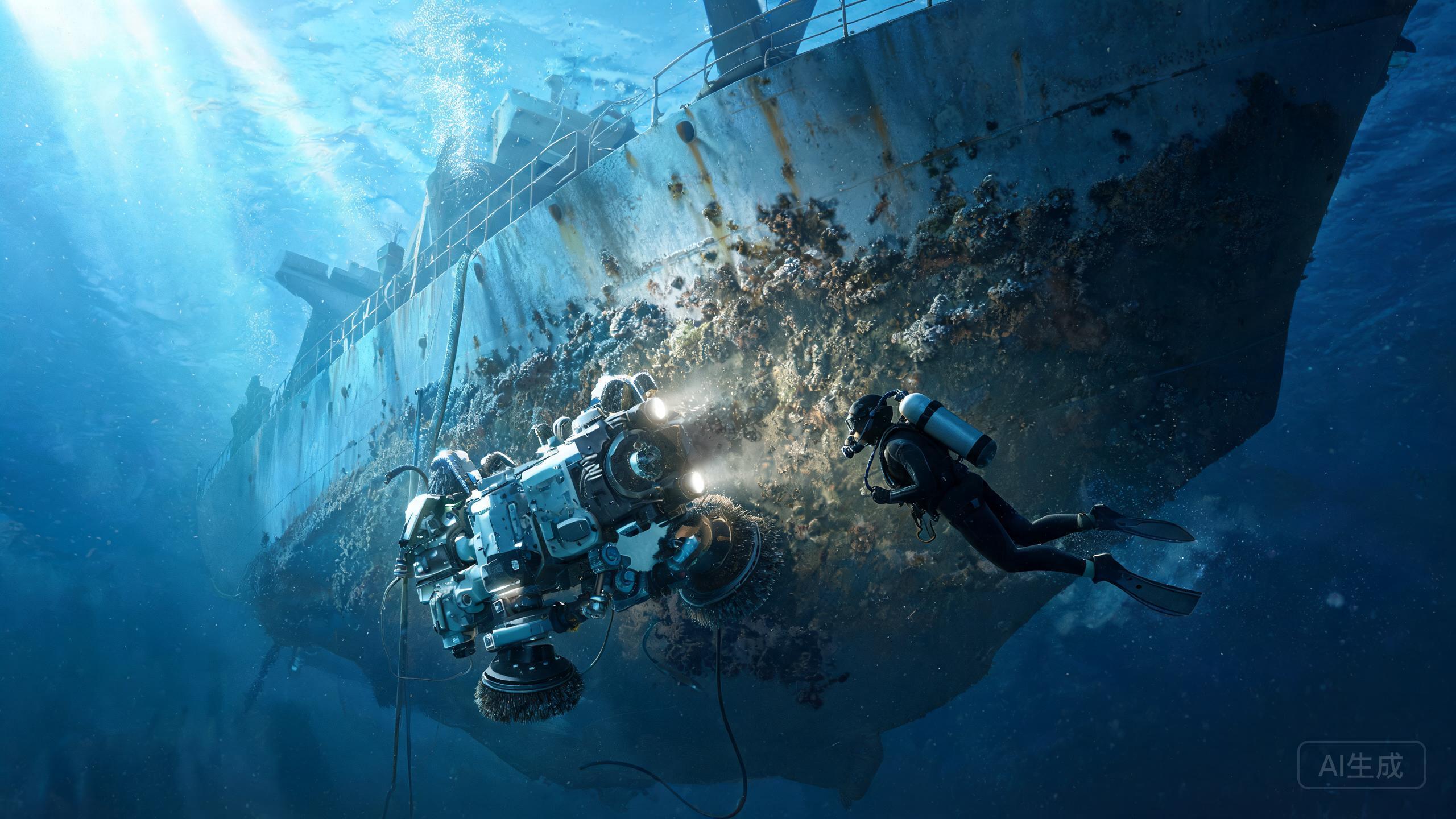
Hull cleaning robots are only as valuable as their uptime. In 2026, operators evaluating an underwater hull cleaning robot must look beyond cleaning speed and ask two harder questions: how long will the machine last in continuous service, and how painful are repairs? This editorial examines hull robot longevity and repairs across the leading systems, referencing real products in the Hull & Underwater Cleaners category. We weigh ship hull cleaning drone review evidence, biofouling cleaning robot cost, ROV hull cleaner vs diver economics, hull cleaning fuel savings, and the durability of magnetic hull crawling robot designs. The goal is a practical ranking-site perspective on which platforms stay productive and which become maintenance liabilities.
What Drives Hull Robot Longevity in 2026
Longevity in an underwater hull cleaning robot 2026 is shaped by three factors: adhesion method, sealing and pressure tolerance, and service access. Magnetic hull crawling robot platforms such as Fleet Robotics (rated 8.5) and CLIIN Robotics (7.8) rely on magnetic adhesion for steel hulls, which reduces mechanical complexity but demands careful maintenance of magnetic wheels and seals. High-pressure ROV systems like HullWiper ROV (8.8), rated to 40 m, face wear on pumps and nozzles. Semi-autonomous groomers such as SeaRobotics HullBUG (9.3) emphasize early fouling prevention, which lowers abrasive load and can extend component life. Autonomous fleets like Nautica Technologies HYDRA (8.3) add AI control but also add sensor calibration routines. Across a ship hull cleaning drone review, the pattern is clear: simpler adhesion and modular parts correlate with longer service intervals.
Repair Profiles: Magnetic Crawlers vs ROVs vs Groomers
Repair profiles differ sharply. Magnetic hull crawling robot units from CLIIN Robotics claim 500–800 m²/h coverage, but high throughput means faster wear on drive components; planned rebuilds matter. Fleet Robotics cites 400 m²/h with magnetic adhesion, a similar trade-off. ROV hull cleaner vs diver comparisons often overlook that ROV repairs require specialized technicians and dry-dock-free but still costly service calls. HullWiper ROV’s 40 m depth rating implies robust seals that must be inspected regularly. Greensea IQ EverClean (7.5) combines cleaning and inspection with a 0.7 m swath, so sensor repairs can idle the whole unit. ECOsubsea Panther 10x (8.1), proven on laden Capesize ships, and Nautica HYDRA benefit from fleet-level spares. Budgeting for biofouling cleaning robot cost should include a repair reserve of 10–15% of unit price annually, based on category norms.
Downtime Economics and Fuel Savings
Longevity directly affects hull cleaning fuel savings. A fouled hull raises drag; regular grooming with a reliable robot preserves the fuel benefit. SeaRobotics HullBUG’s semi-autonomous grooming model targets early fouling, which keeps cleaning forces low and reduces repair frequency. Keelcrab Pro (9.0) offers underwater yacht hull cleaning without haul-out, so repair logistics avoid yard fees but still require dive support. When comparing ROV hull cleaner vs diver, robot downtime must be weighed against diver availability and safety. Tas Global (7.2) and BRI Offshore (7.0), both featured in market reports, illustrate that lower-rated entrants often lack published repair data, a risk for fuel-savings planning. Operators should model hull cleaning fuel savings net of expected downtime, not gross cleaning rates.
Ranking Takeaways for Buyers
For 2026 buyers, longevity and repair support should carry real weight in any 船体水下清洁机器人 ranking. SeaRobotics HullBUG (9.3) leads on preventive grooming and lower wear. Keelcrab Pro (9.0) suits yacht operators needing haul-out-free service. HullWiper ROV (8.8) delivers high-pressure cleaning to 40 m but demands seal discipline. Fleet Robotics (8.5) and Nautica HYDRA (8.3) offer strong coverage and autonomy with fleet spares. ECOsubsea Panther 10x (8.1) brings proven Capesize experience. Greensea IQ EverClean (7.5) adds inspection value at the cost of sensor complexity. CLIIN Robotics (7.8) wins on throughput but needs planned rebuilds. Tas Global and BRI Offshore remain watch-list entries until repair data matures. Always request Mean Time Between Failures and spare-part lead times before purchase.
Our verdict
Hull robot longevity and repairs are now central to ROI. The best underwater hull cleaning robot 2026 is not the fastest on paper but the one that stays in the water. Prioritize platforms with modular parts, published repair data, and fleet-level spares. Weigh biofouling cleaning robot cost against downtime, and treat hull cleaning fuel savings as a net figure after maintenance. Whether you choose a magnetic hull crawling robot, an ROV, or a semi-autonomous groomer, demand service evidence before you buy.