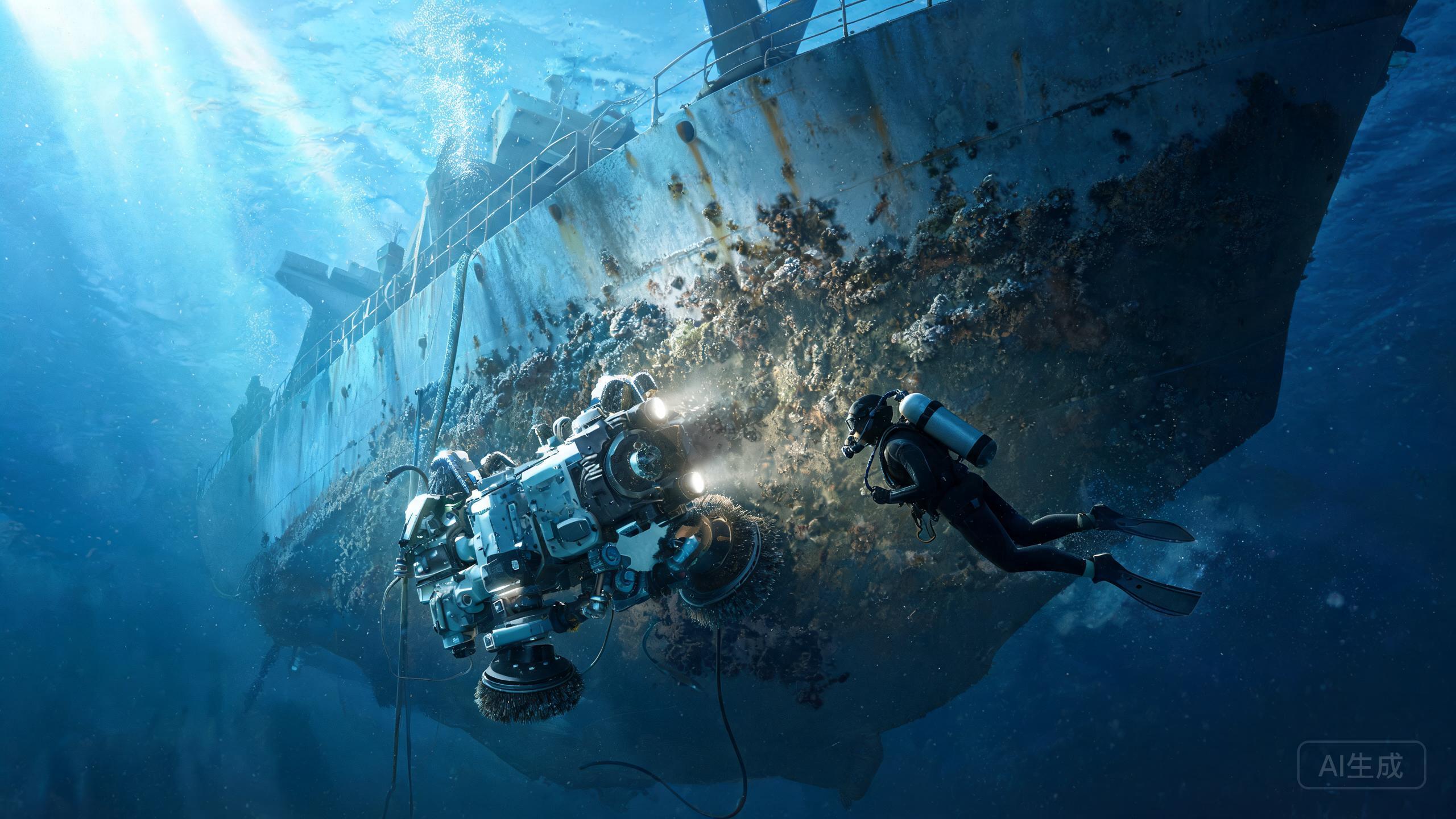
If you manage a fleet, you already know that hull condition quietly decides your fuel bill. The Greensea IQ EverClean enters the market as a hybrid unit that cleans and inspects in the same pass, rated 7.5 out of 10 in our 2026 rankings. This guide explains who should buy it, what the 0.7 m swath really means for your schedule, and how it stacks up in the wider underwater hull cleaning robot 2026 landscape.
What the EverClean Actually Does
The EverClean is built around one idea: stop treating cleaning and inspection as two separate dives. It captures an ongoing condition record rather than a one-off service snapshot, so you build a history of your hull over time. Sonar-assisted navigation keeps its trajectory stable across a 0.7 m swath, which matters when you are covering a large flat area and cannot afford to miss strips. In practice this is a hybrid clean-and-inspect tool, not a heavy-duty scraper, so think of it as a maintenance instrument for regular passes rather than a one-time emergency fix.
ROV Hull Cleaner vs Diver: Where EverClean Fits
The classic ROV hull cleaner vs diver debate usually comes down to cost, safety and documentation. Divers are flexible but expensive, weather-dependent and hard to audit. The EverClean sits on the ROV side of that line, and its differentiator is the data trail: every pass adds to a condition record you can hand to a superintendent or insurer. That makes it attractive for operators who need evidence, not just a clean hull. If your priority is maximum scraping force on heavy hard growth, a diver or a heavier tool may still win; if your priority is repeatable, documented coverage, the EverClean is the stronger fit.
Biofouling Cleaning Robot Cost and Fuel Savings Math
Biofouling cleaning robot cost is not just the sticker price. The EverClean's likely subscription model means you should budget for recurring access rather than a single capital purchase, and factor in the softer cleaning power, which may require more frequent passes. On the other side of the ledger sits hull cleaning fuel savings. Because the unit cleans and inspects continuously, you can schedule cleaning based on actual condition data instead of fixed intervals, which is where real fuel savings accumulate. Run the numbers over a two to three year horizon: subscription plus more frequent light passes versus fewer, heavier interventions. For many fleets the ongoing record itself justifies the model.
Magnetic Hull Crawling Robot? Know the Category Difference
Buyers often search for a magnetic hull crawling robot and end up comparing it to hybrid ROVs like the EverClean. They are different tools. Magnetic crawlers grip ferrous hulls directly and can apply strong local force, but they are typically tethered to a specific hull area and less suited to broad, documented survey work. The EverClean relies on sonar-assisted navigation and a 0.7 m swath to cover ground while recording condition. If your vessel is steel and your problem is heavy localized growth, a magnetic crawler may be the right call. If you want fleet-wide condition records and regular light cleaning, the EverClean's hybrid approach is the better match. Match the category to the job before comparing prices.
Our verdict
The Greensea IQ EverClean earns its 7.5 rating by doing something most hull tools do not: it turns cleaning into a documented, repeatable process. Its 0.7 m swath and sonar-assisted navigation make coverage predictable, and the clean-and-inspect hybrid saves a separate survey dive. The trade-offs are real, including a likely subscription model and softer cleaning power. If you value ongoing condition records and regular maintenance passes, it belongs on your shortlist for 2026. If you need brute force on heavy growth, look at heavier ROVs or magnetic crawlers instead.